Vai al contenuto












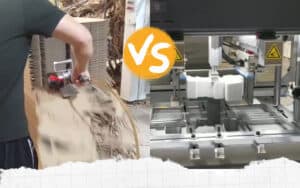
In folding carton production, die-cut blanks often still carry unwanted waste on the sheet after cutting, and manual removal becomes the slowest step.
If that stripping step is not controlled, it can hold back folding, gluing, stacking, and shipment, even when die cutting itself runs well.
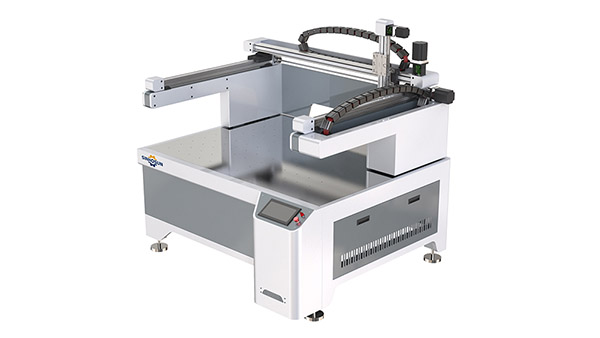
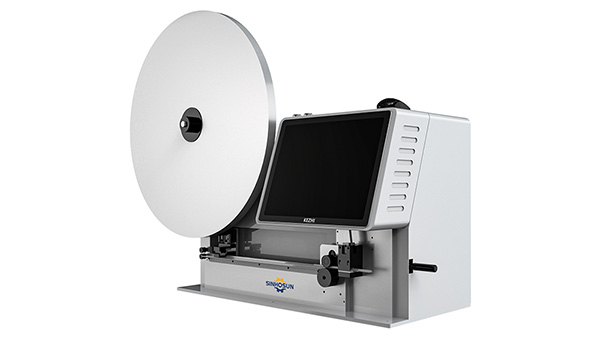
The machine that separates die-cut carton blanks from waste is usually called an automatic stripping machine, waste stripping machine, paper blanking machine, or waste paper stripping machine. Some factories also use informal names like an automatic separating machine or waste removal machine when they describe the same post-press task.
For buyers, the exact name matters less than whether the equipment matches the blank type, waste layout, and output speed of the job.
That is why a factory should define the stripping task first, then compare manual methods and automatic equipment against real production needs.
What does an automatic stripping machine do after die cutting?
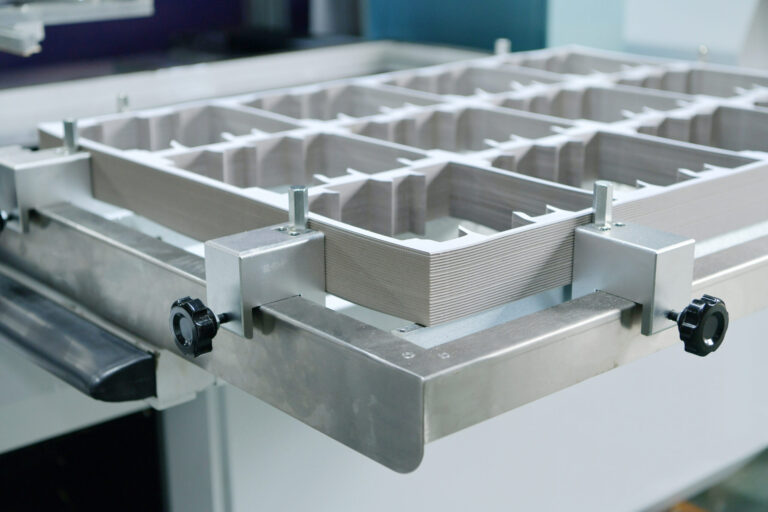
An automatic stripping machine removes the waste parts that remain around or inside a die-cut folding carton blank.
In many jobs, the die cutter makes the shape, but it does not finish the separation cleanly enough for downstream work.
The stripping machine helps lift out the waste and leave a cleaner blank, so the sheet can move to folding, gluing, counting, stacking, or packing.
For the factory, the main value is not only speed. It is also consistency.
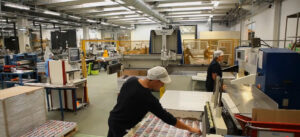
Manual stripping depends on workers, and workers can slow down, miss waste, or damage edges when the job is complex.
A proper stripping setup keeps the blank separation stable from one batch to the next.
Why do die-cut blanks still need waste removal?
Die-cut blanks still need waste removal because a cutting shape is not the same as a finished separated part.
Many folding carton jobs have small bridges, window waste, inner holes, or outer frame waste that stays attached after die cutting.
If that waste stays on the sheet, the blank cannot go cleanly into the next process.
This is especially common when the factory runs food boxes, cosmetic cartons, and other paperboard packaging jobs with tight shape requirements.
Waste removal also matters for appearance and handling.
If the sheet carries loose waste, it can create jams, unstable stacks, and extra sorting work later.
So in post-press waste removal, the goal is to turn a cut sheet into a usable blank with less touch labor.
What is the difference between manual stripping and automatic stripping?
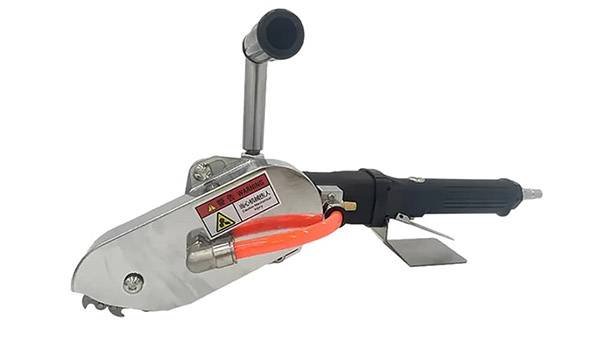
Manual stripping is simple and low in upfront cost, but it depends heavily on labor.
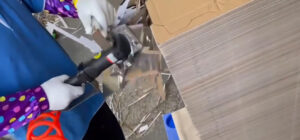
For small runs or very simple jobs, workers can remove waste by hand or with basic tools.
The problem is that this method becomes slow when output grows or when the waste pattern is dense.
It also adds fatigue, and fatigue usually creates quality variation.
Automatic stripping reduces that dependence.
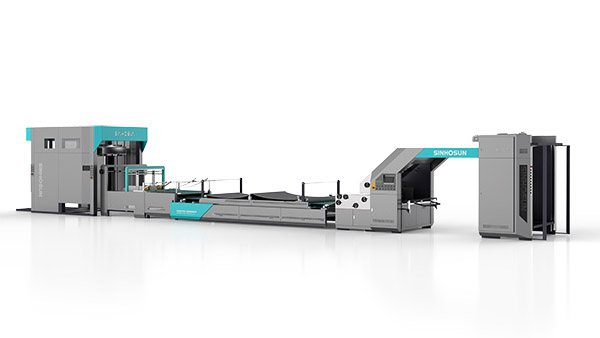
It uses a machine structure to separate waste more consistently and at a higher pace than hand work.
For a buyer, the real difference is not only speed.
It is the control of the bottleneck.
If die cutting is already fast, manual stripping can become the step that limits the whole line.
That is when an automatic stripping machine starts to make more sense.
When is a waste stripping machine worth adding?
A waste stripping machine is worth adding when stripping is no longer a small side task.
If the factory has frequent die-cut folding carton orders, repeated labor shortages, or unstable delivery timing, the stripping step often becomes a hidden cost.
It is also worth considering when the job mix has many similar blanks and the waste pattern can be handled by a standard process.
In that case, the machine can reduce repeated manual work across many orders.
A factory should also think about the line after stripping.
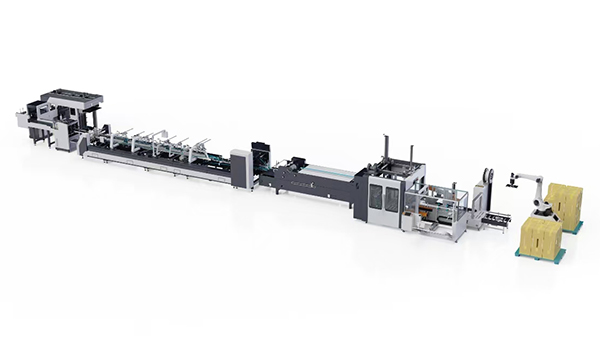
If blanks still need fast transfer into folding, gluing, or stacking, then cleaner separation supports the full post-press flow.
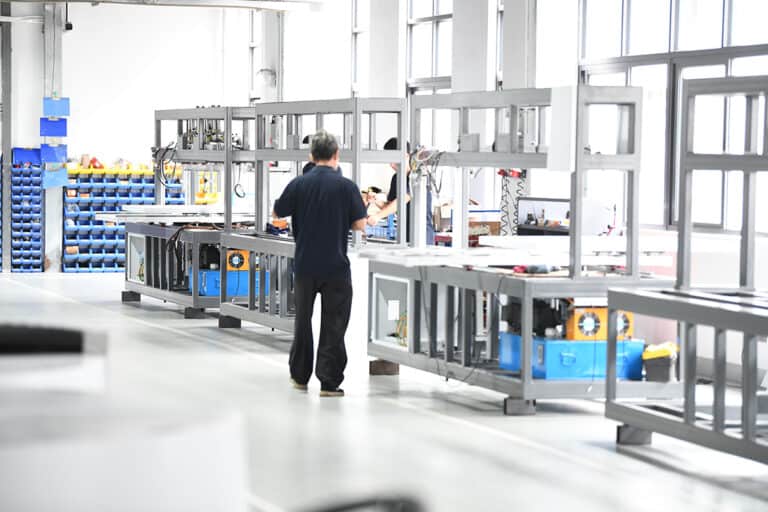
SINHOSUN sees this in real factory planning: the best equipment choice is usually the one that removes a daily bottleneck, not the one that only sounds advanced.
If one stripping station can save several workers across shifts, the investment may be easier to justify than adding more manual labor.
What should buyers check before choosing a blanking machine?
Buyers should first check the blank type and waste layout.
A machine may look suitable on paper, but if the carton design has deep inner waste, weak bridges, or mixed job sizes, the stripping method may not match well.
They should also check sheet size, material thickness, and production speed.
An automatic stripping machine for light folding carton work is not the same as a setup needed for heavier paperboard jobs.
The next point is stability.
Buyers should ask how the machine handles repeated runs, operator skill differences, and the need for quick changeover.
Maintenance and spare parts matter too.
A machine that saves labor but creates long stoppages is not a good production tool.
Finally, buyers should compare the stripping machine with the upstream die cutter.
If the die cutter, stripping station, and downstream folder-gluer are not balanced, the factory may move the bottleneck instead of removing it.
That is the main decision point for any blanking machine purchase.
Conclusion
The machine that separates die-cut carton blanks from waste is usually an automatic stripping machine, waste stripping machine, or blanking machine.
For folding carton factories, the name is less important than the process result: faster waste removal, cleaner blanks, and fewer delays before the next post-press step.
Manual stripping can still work for small or simple jobs, but once output rises, it often becomes the slowest part of the line.
A buyer should judge the machine by the job type, waste pattern, speed, and line balance.
That is the practical way to decide whether an automatic stripping machine is the right investment for the plant.