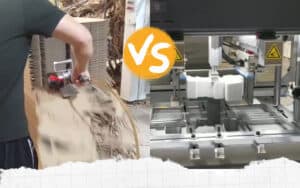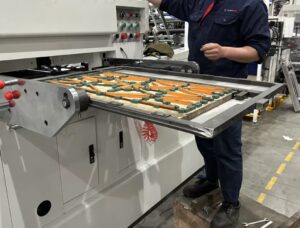












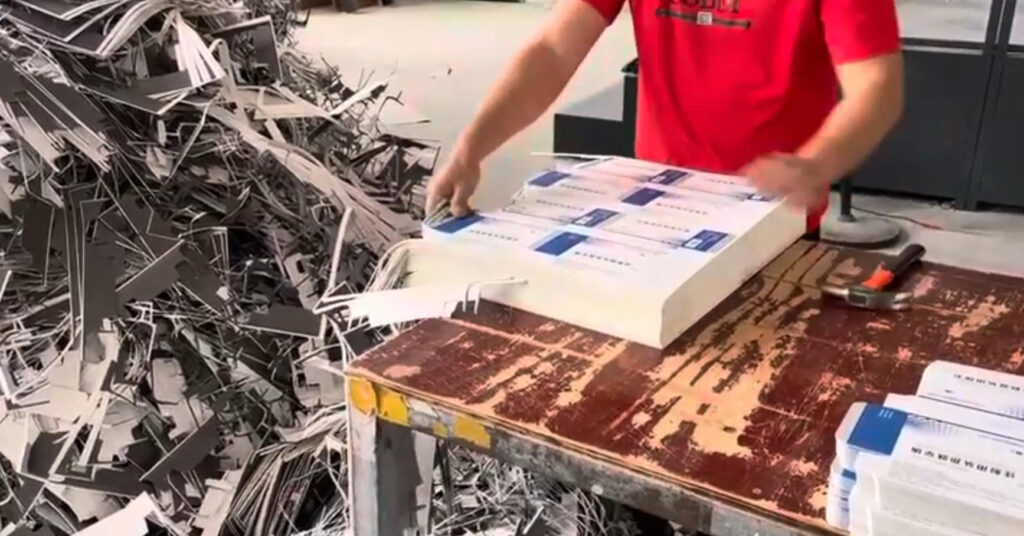
In many packaging plants, stripping remains the most unstable step after die cutting. It depends heavily on people, strength, and experience, yet it sits directly between die cutting and folding & gluing. When orders change or skilled workers become unavailable, stripping speed drops first. Quality follows. If this continues, the risk does not stay in stripping. It moves downstream and shows up as missed delivery dates and pressure on the gluing line.
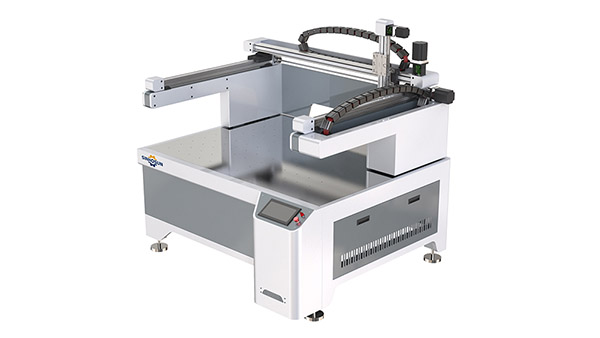
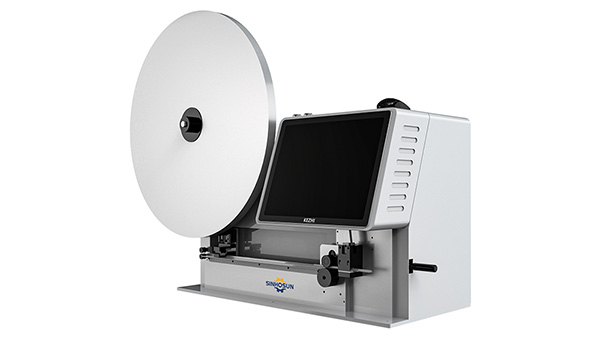
When stripping starts to slow the die-cutting rhythm, affect delivery stability, or rely on fixed skilled workers, the issue is no longer labor cost. It is whether the workflow is still under control. Automatic stripping solutions, such as a blanking machine or an offline stripping machine, turn a people-dependent step into a predictable and repeatable process, preventing risk from being pushed into folding & gluing.
In real projects, I have seen the same pattern repeat. Once stripping loses control, folding & gluing always ends up paying the price. No matter how fast upstream runs, the problem comes back at the end of the line.
The Hidden Risk of Staying with Manual Stripping
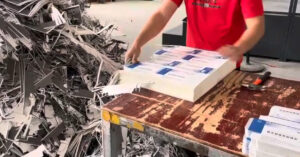
Manual stripping looks flexible, but it carries three long-term risks.
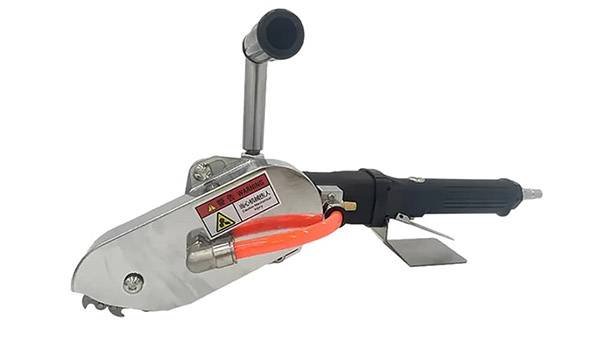
First is labor dependency. You often need the same experienced workers to keep quality stable. Once they are absent, stripping slows or defects rise.
Second is rhythm mismatch. Manual stripping rarely matches die-cutting output. Sheets wait, stacks build up, and the folder gluer is forced to run in bursts instead of a steady flow.
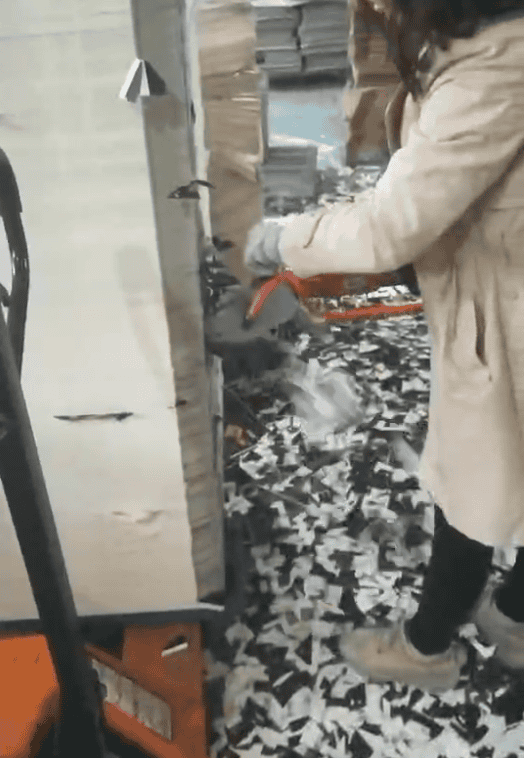
Third is risk transfer. Problems in stripping do not stay there. Poor stripping quality shows up later as jams, glue issues, or crooked boxes at folding & gluing.
Why Stripping Must Be Viewed Together with Folding & Gluing
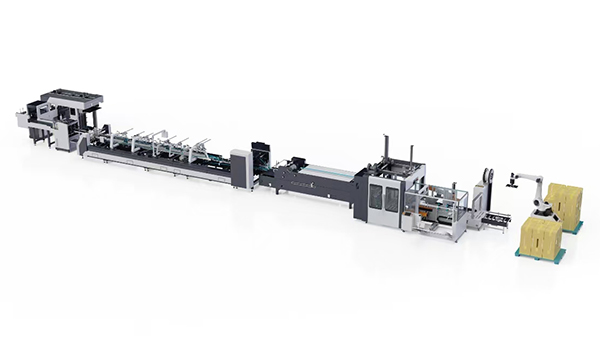
Stripping is not an isolated task. It directly defines how clean and stable the blanks enter the folder gluer.
If stripping quality is uneven, the folder gluer operator compensates by slowing down. If stripping speed is unstable, scheduling becomes guesswork. Over time, the gluing line becomes the place where all upstream problems are paid for.
This is why experienced plants stop asking, “Is stripping fast?” and start asking, “Does stripping protect my folding & gluing efficiency?”

Where Blanking Machines Fit into the Decision
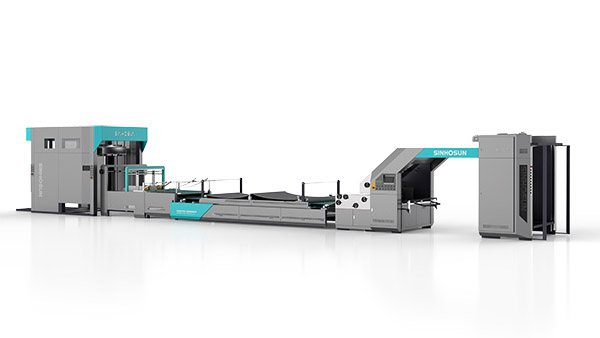
Blanking machines are not about maximum speed. Their role is consistency.
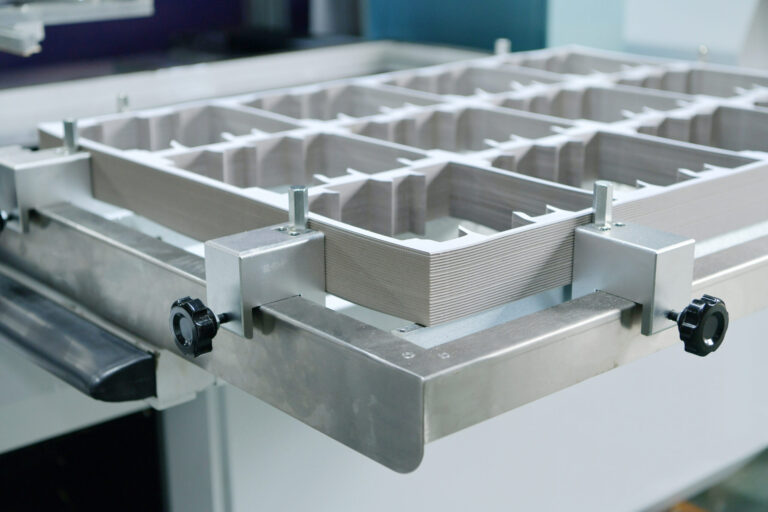
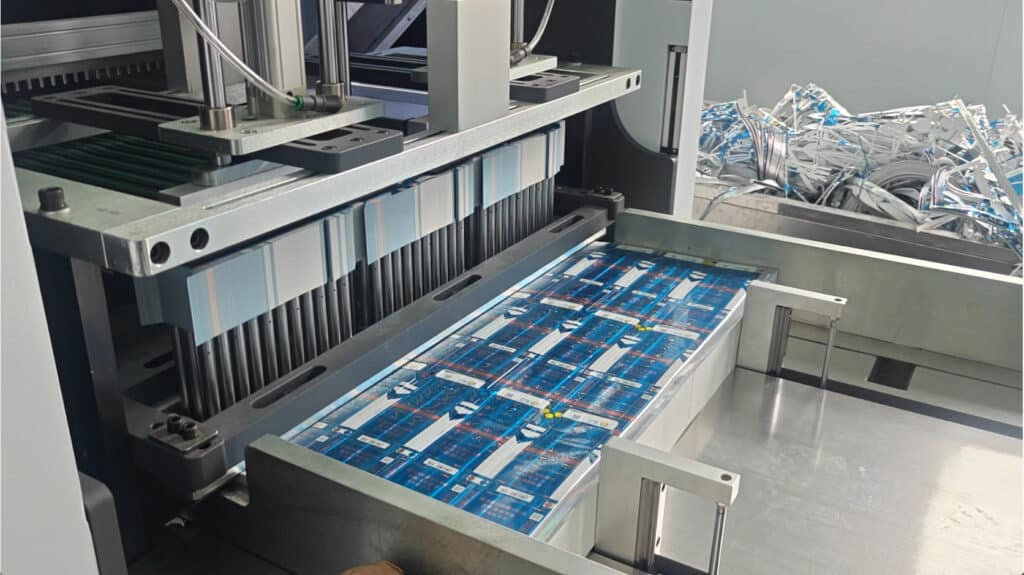
By integrating stripping and blanking into a controlled mechanical process, the output stack is cleaner and more uniform. This reduces variation before folding & gluing. For plants with stable die-cut layouts and medium to high volumes, a blanking machine helps lock stripping quality into the workflow instead of relying on people.
The real value shows up weeks later, when the folder gluer runs with fewer stops and less adjustment.
When an Offline Stripping Machine Makes More Sense
Offline stripping machines are often chosen for flexibility and risk isolation.
They decouple stripping from die cutting. This means the die cutter can keep running even if stripping needs adjustment. For plants with mixed orders, short runs, or frequent changeovers, this separation reduces pressure on both machines and operators.
Offline stripping also creates a buffer before folding & gluing. That buffer absorbs variation instead of passing it downstream.
Automation Is Not About Removing People
A common mistake is to expect automation to replace all labor. In reality, good stripping automation changes how people are used.
Operators shift from heavy manual work to setup, inspection, and flow control. Training becomes simpler. Output becomes more predictable. Most importantly, stripping stops being the weakest link between die cutting and folding & gluing.
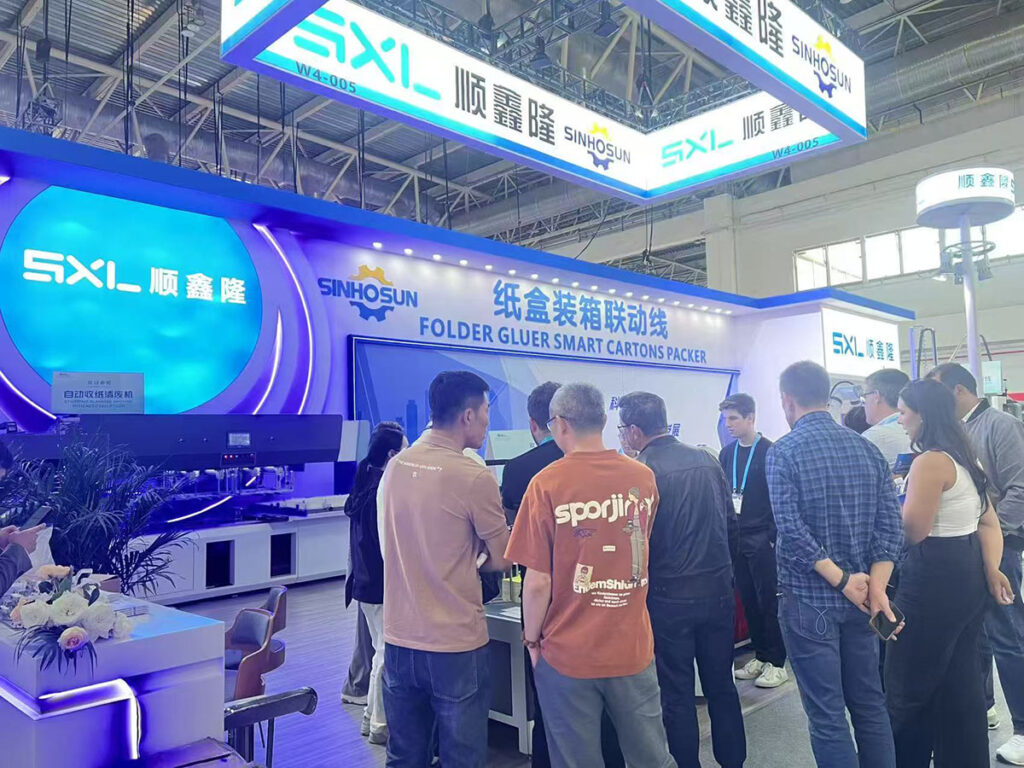
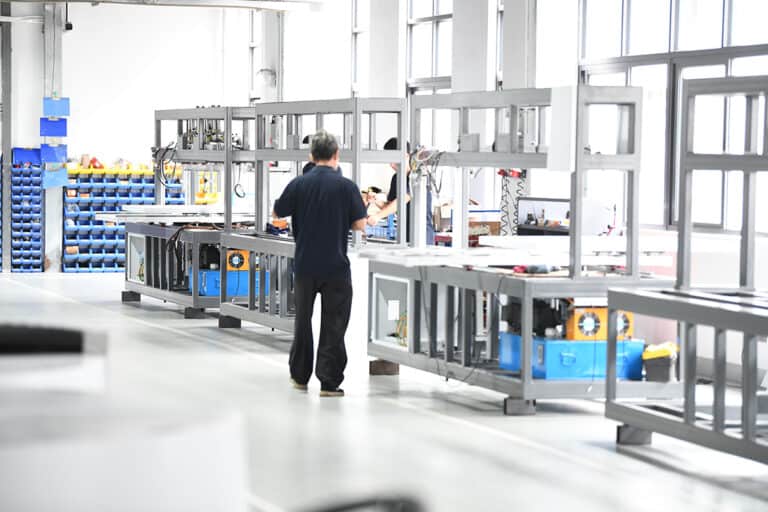
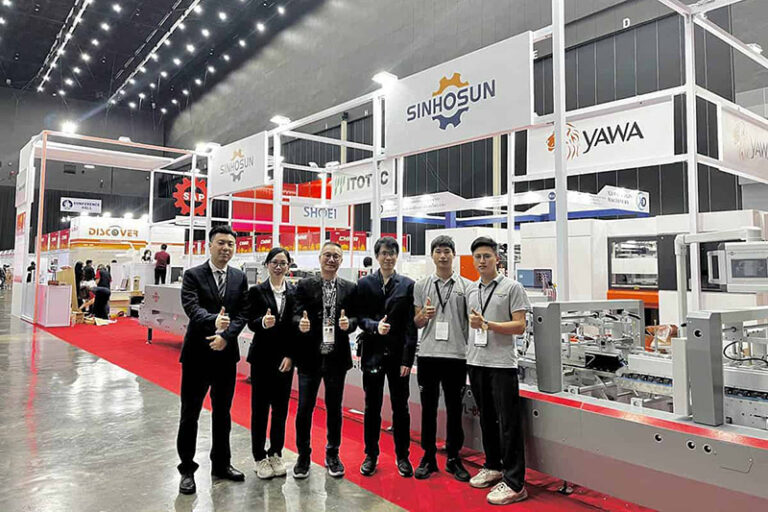
This is where suppliers with real factory background, such as SINHOSUN, focus their design logic—not on speed alone, but on how stripping protects the entire post-press line.
Conclusion: Decide Based on Workflow Control, Not Comparison
Automatic waste stripping equipment is not a trophy machine. It is a control tool.
If manual stripping already creates dependency, rhythm issues, or downstream pressure, staying with labor is no longer a neutral choice. Whether you choose a blanking machine or an offline stripping machine, the real decision is about keeping stripping from becoming a risk multiplier.
From a factory point of view, the safest choice is the one that keeps stripping, folding, and gluing working as one stable system—not three separate problems waiting to surface.