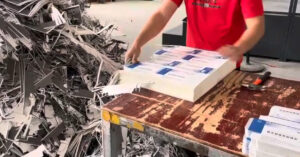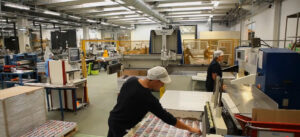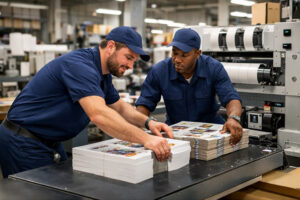












In many die cutting shops, waste stripping is seen as basic manual work.
It is often assigned to the same experienced operators, shift after shift.
Over time, the repeated pulling and force take a toll.
Hands slow down, focus drops, and small mistakes increase.
When volume rises, this step quietly limits output.
What looks simple becomes a real risk to delivery and labor stability.
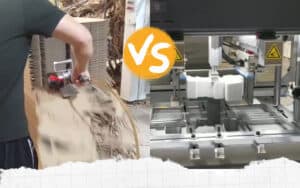
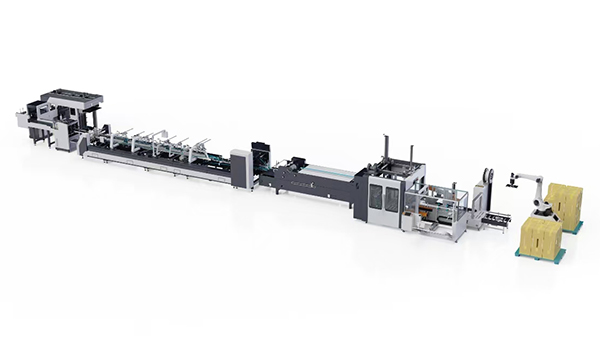
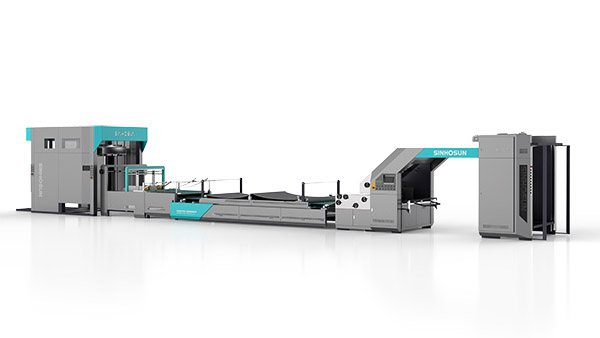
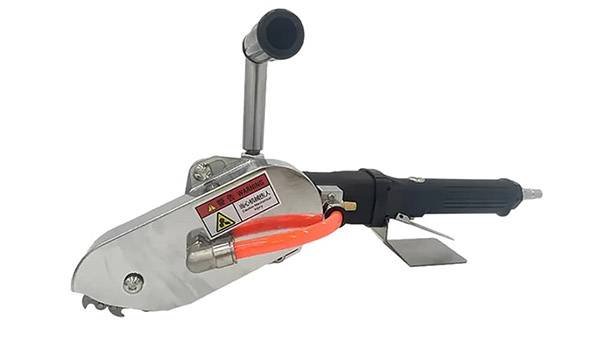
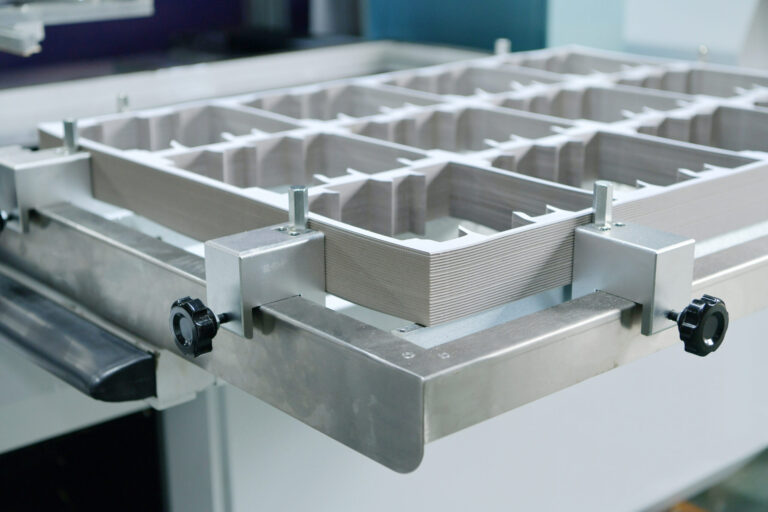
Worker fatigue in waste stripping is not caused by staffing levels, but by how much force and repetition the job demands. Manual stripping places repeated physical stress on operators and becomes harder to sustain as volume grows. Shifting these actions to stable automatic or semi-automatic stripping—such as a paper stripping machine or improved waste removal at the die cutting stage—reduces strain while keeping output consistent.
I have seen factories try rotation, bonuses, and shorter shifts.
The relief never lasted.
Things only improved when the process changed.
Once the hardest manual actions were removed, fatigue dropped naturally.
That shift changed how the whole line behaved.
Why Manual Waste Stripping Becomes a Hidden Efficiency Risk
Manual stripping rarely breaks suddenly.
It fades.
At the start of a shift, speed looks fine.
By the end, rhythm slows and errors appear.
Supervisors respond by assigning their best people.
That creates dependence on a few operators.
When one is absent, output drops immediately.
This is not a people problem.
It is a process design problem.
Manual Relief vs. Mechanical Stripping: What Actually Changes
Rest time reduces pain.
It does not remove the cause.
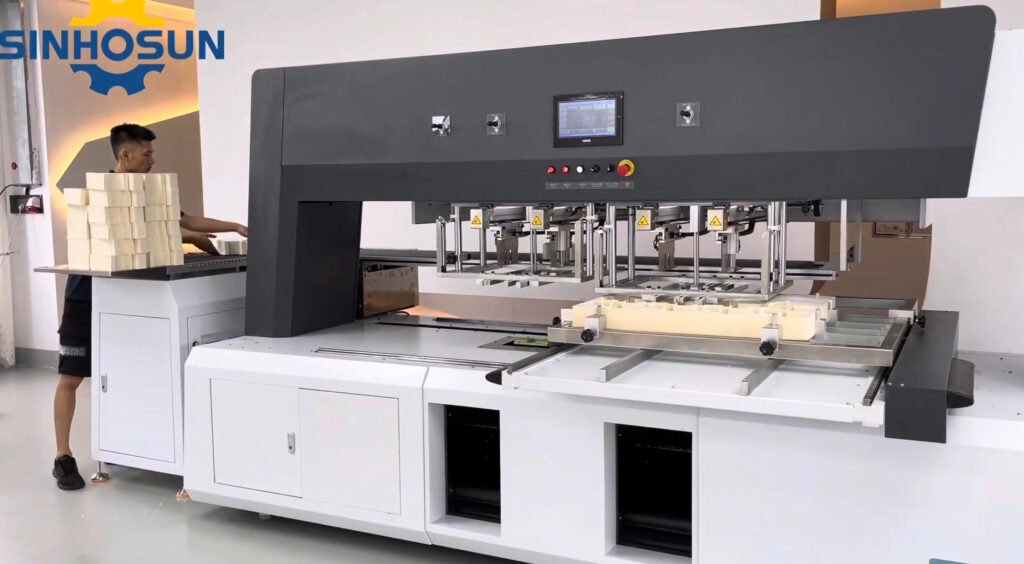
Mechanical stripping changes where the force goes.
The machine absorbs it, not the operator.
It also fixes rhythm.
Speed follows the machine, not fatigue.
Once force and rhythm are stable, quality follows.
When Semi-Automatic Stripping Makes More Sense Than Full Automation
Not every plant needs full automation.
Semi-automatic stripping works well when:
- Job sizes change often
- Box formats vary
- Volume is moderate but steady
In these cases, removing the most exhausting steps delivers most of the benefit.
You gain relief without locking the line into rigid settings.
The goal is not maximum speed.
It is sustainable output.
How Stripping Design Must Match Die Cutting Accuracy
Stripping problems often start earlier.
If die cutting depth is inconsistent,
operators fight the waste instead of removing it.
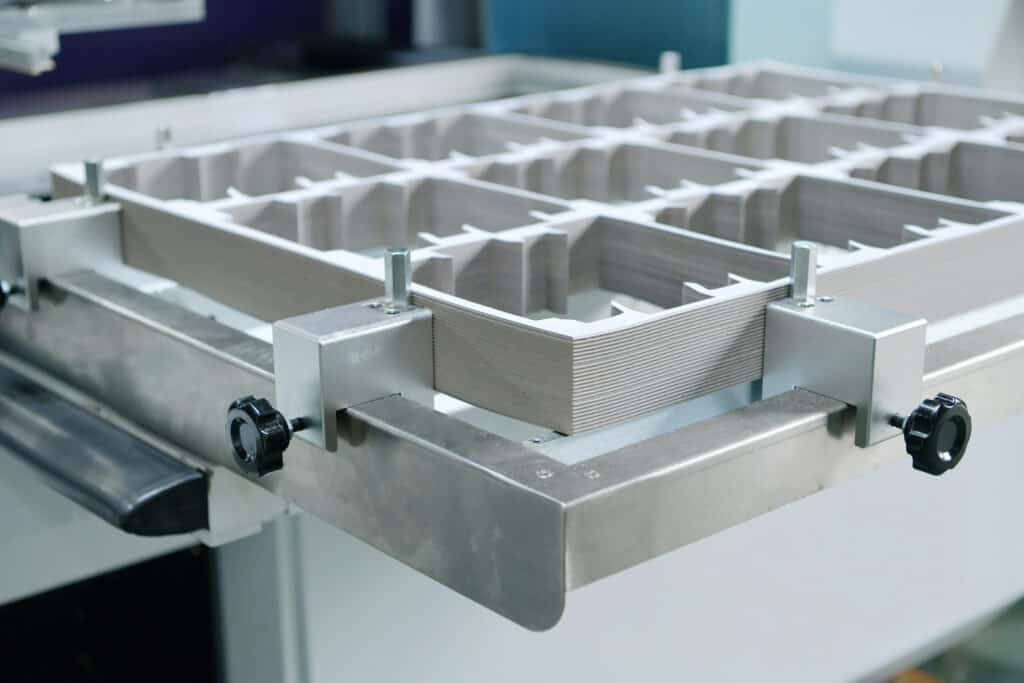
Mechanical stripping needs:
- Stable cutting depth
- Clean waste separation
- Predictable board behavior
Sometimes the first fix is at die cutting, not stripping.
Ignoring this leads to frustration and wrong conclusions.
Long-Term Labor Stability vs. Short-Term Cost Saving
Manual stripping looks cheap on paper.
But it costs you:
- Fatigue-related errors
- Operator turnover
- Training pressure during peaks
Mechanical or semi-automatic stripping does not replace people.
It protects them.
When fatigue drops, planning becomes easier.
That stability is hard to calculate, but easy to lose.
Conclusion: Fix the Process, Not the Person
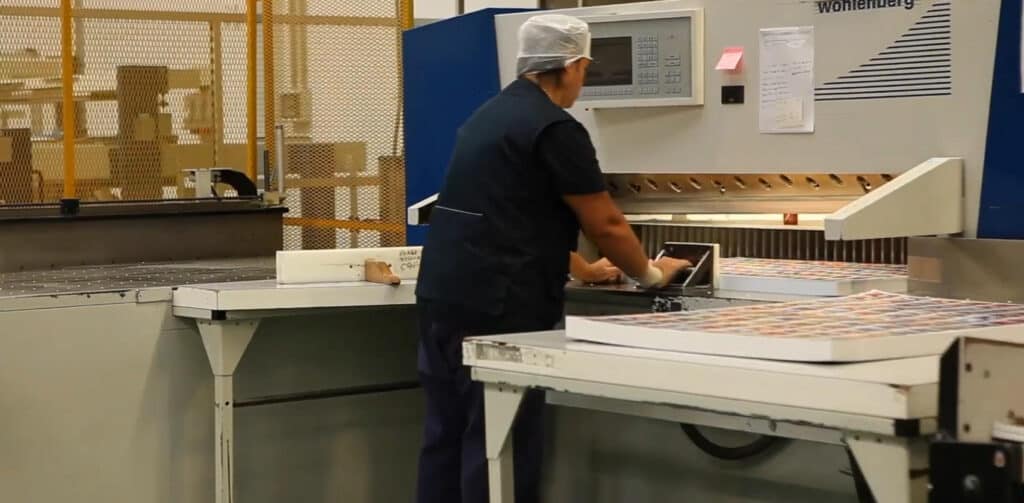
If waste stripping is wearing people down,
the answer is not tougher workers.
It means the task no longer fits manual labor.
By shifting high-force, repetitive stripping into controlled mechanical steps—and aligning die cutting accuracy with stripping design—you reduce fatigue, protect output, and lower long-term labor risk.
That is not over-automation.
That is running a factory that can last.