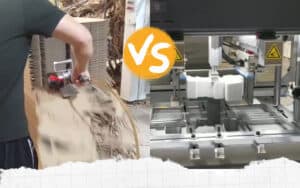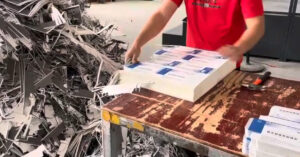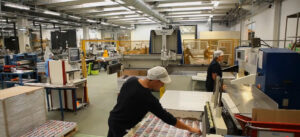









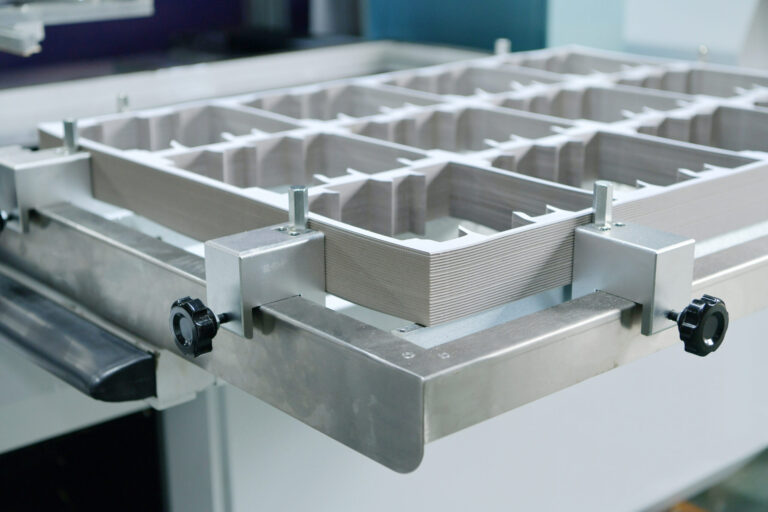


After die cutting, waste removal often becomes a critical bottleneck in the entire post-press workflow. In real production environments, manual removal of die cutting waste is one of the most time-consuming and labor-intensive steps. Many printing and packaging factories still rely on manual waste removal, which slows down delivery schedules and increases dependence on skilled labor.
When waste removal efficiency is low, common consequences include reduced machine utilization, unstable product quality, rising labor costs, and bottlenecks across the whole post-press line—especially under tight delivery times and high order volumes. After in-depth discussions with factory managers who have over 20 years of production experience, we confirmed the following solution:
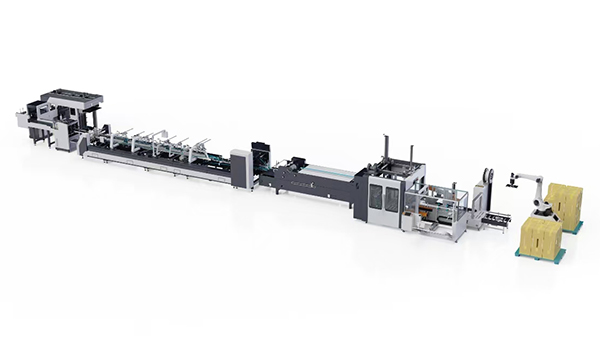
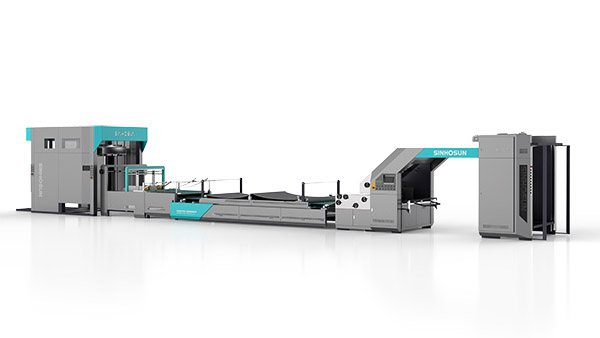
By integrating a stripping system into the die cutting machine, or by using an independent Automatic Waste Stripping Machine (Offline), factories can achieve automatic waste removal after die cutting, reduce manual intervention, and significantly improve efficiency, operational stability, and overall production capacity.
Next, I‘ll discuss the following issues with you based on the information I can gather:
What Is the Use of a Stripping Machine?
A stripping machine is designed to separate finished products from waste after die cutting.
Its main functions include:
- Removing internal and external waste automatically
- Protecting finished sheets from damage
- Ensuring consistent output quality
- Reducing manual labor intensity
In traditional workflows, operators remove waste by hand, piece by piece. A stripping machine replaces this step with mechanical precision, making the process faster, safer, and more consistent.
For packaging factories handling cartons, boxes, or complex die-cut shapes, stripping machines are essential for scaling production without increasing labor costs.
What Is an Integrated Stripping System in a Die Cutting Machine?
An integrated stripping system is built directly into the die cutting machine.
How it works:
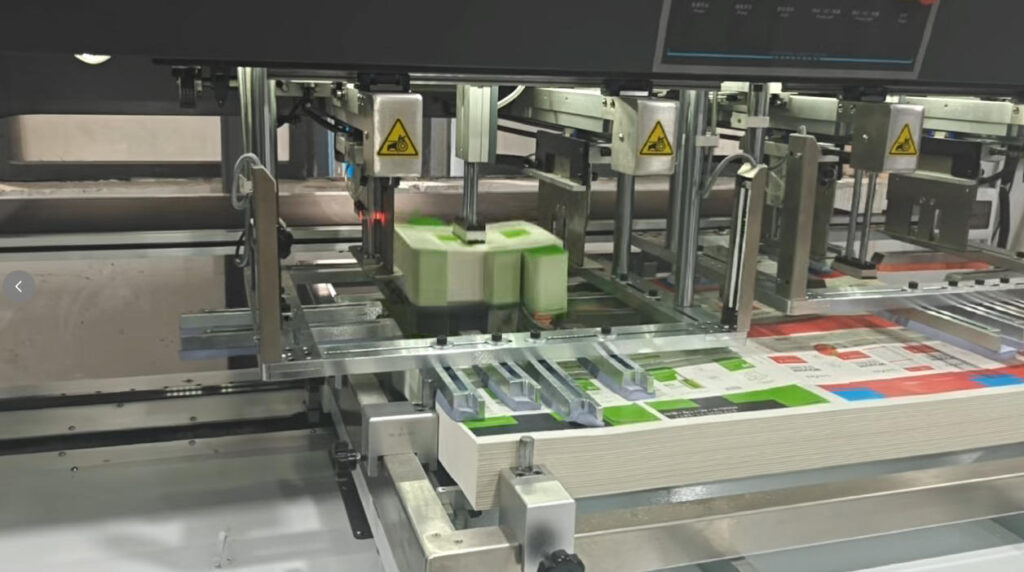
- After die cutting, sheets enter the stripping section
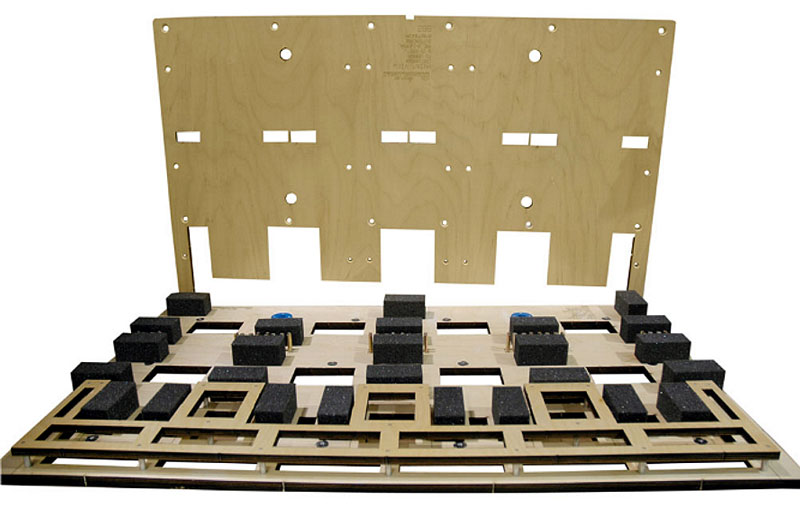
- Upper and lower stripping frames push waste out
- Waste drops automatically below the machine
- Finished sheets move forward cleanly
Key advantages:
- Fully synchronized with die cutting speed
- High stripping accuracy
- Ideal for long runs and stable jobs
This solution is commonly used in high-speed die cutters and is best suited for factories with large, consistent order volumes.
What Is an Automatic Waste Stripping Machine (Offline)?
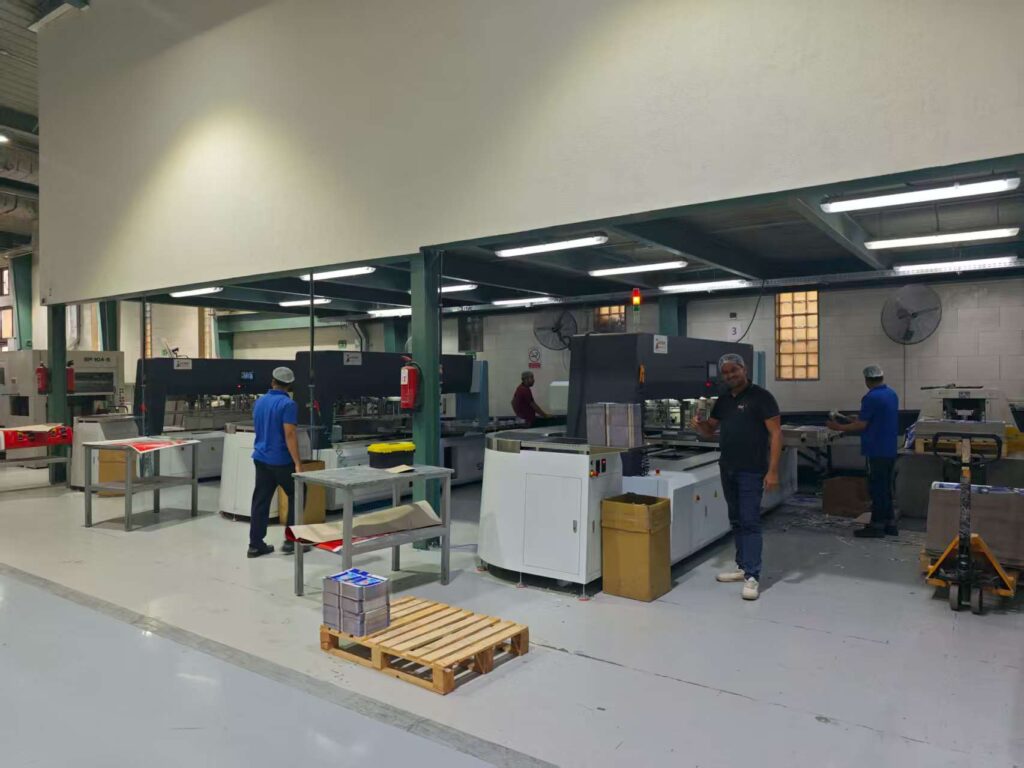
An Automatic Waste Stripping Machine (Offline) works independently from the die cutting machine.
Typical workflow:
- Die cutting is completed first
- Sheets are transferred to the stripping machine
- Waste is removed automatically
- Finished products are stacked for the next process
Why factories choose offline stripping:
- No need to replace existing die cutters
- Flexible for different job types
- Lower initial investment compared to full machine upgrades
This solution is especially practical for factories that want automation without disrupting current production layouts.
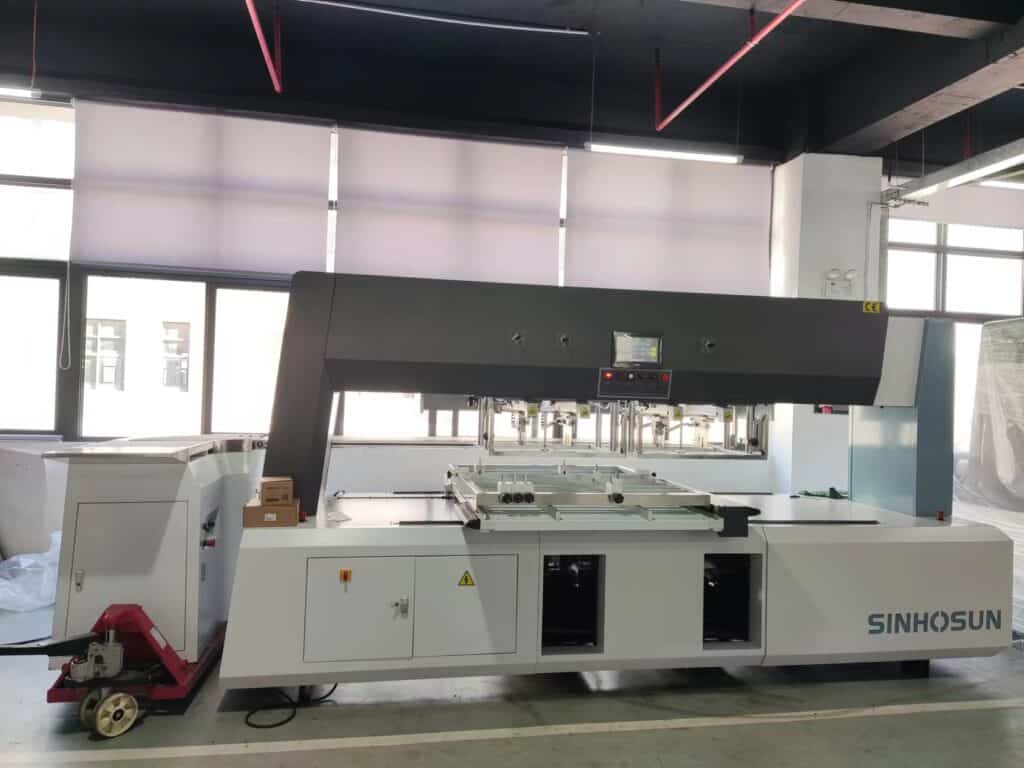
What Is the Use of a Stripping Machine in Daily Production?
From a production manager’s point of view, the value of a stripping machine is very clear.
It helps to:
- Reduce dependence on experienced workers
- Maintain stable output quality
- Shorten production cycles
- Improve workshop organization
More importantly, it removes one of the most unpredictable steps in post-press production—manual waste handling.
How Automatic Waste Removal Improves Efficiency and Cost Control
Automatic waste removal delivers measurable improvements.
Efficiency gains:
- Continuous material flow
- Higher machine utilization
- Faster job turnaround
Cost control benefits:
- Fewer operators required
- Lower training costs
- Reduced rework caused by manual damage
Over time, these advantages help factories offset equipment investment and build a more reliable production system.

Conclusion
Automatic waste removal after die cutting is no longer just an upgrade—it is a necessity for modern packaging factories.
Whether through integrated stripping systems or offline automatic stripping machines, the goal remains the same: reduce manual work, stabilize production, and improve overall efficiency.
Factories that address waste removal effectively gain stronger control over delivery time, cost, and production confidence.