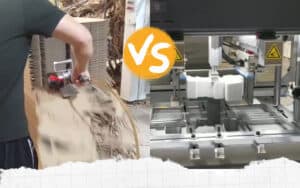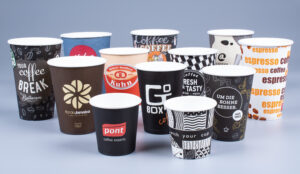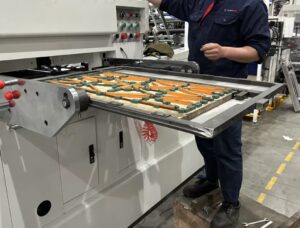











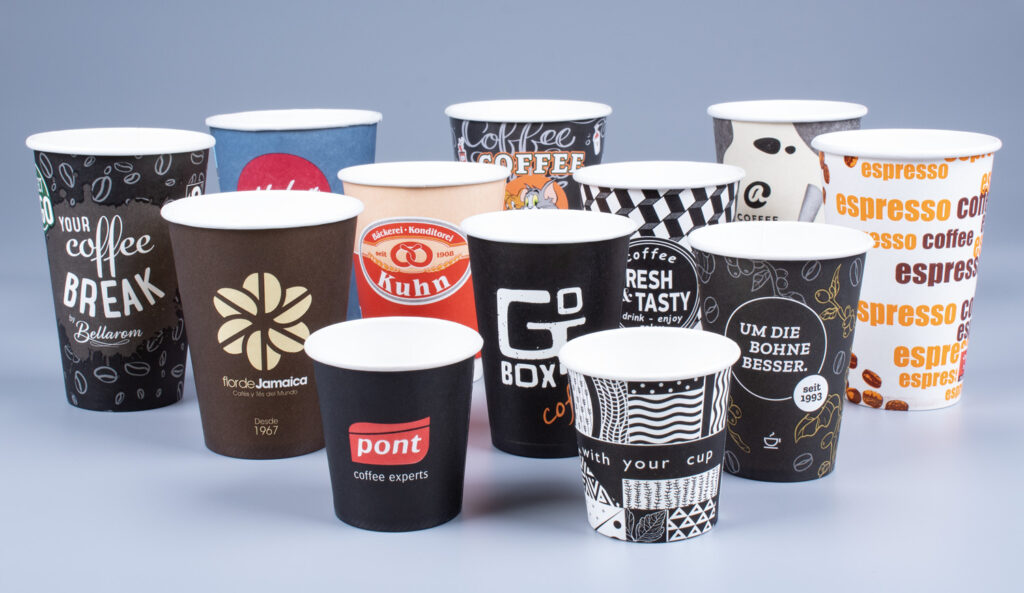
In many paper cup factories, waste stripping after die-cutting was never considered a real issue. It was treated as a manual step that “just works.” But as customized paper cup orders increase and order sizes become smaller and more frequent, this ignored step starts to slow down the entire line. What looks like a small manual task often turns into a bottleneck that affects hygiene, delivery time, and shop-floor control.
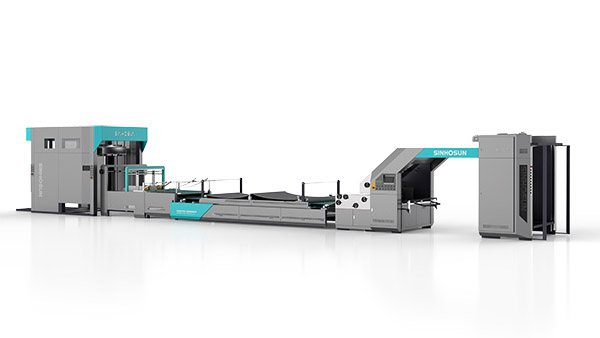
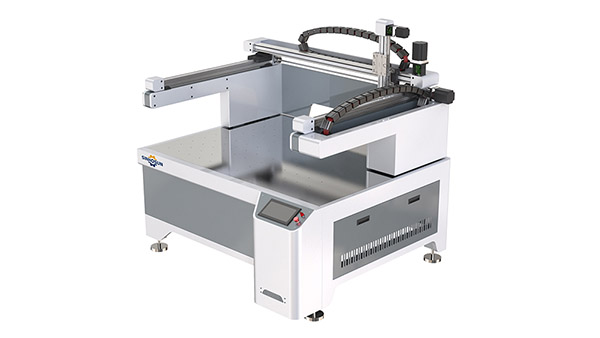
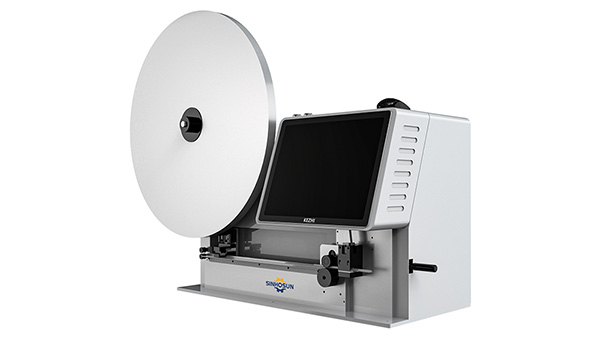
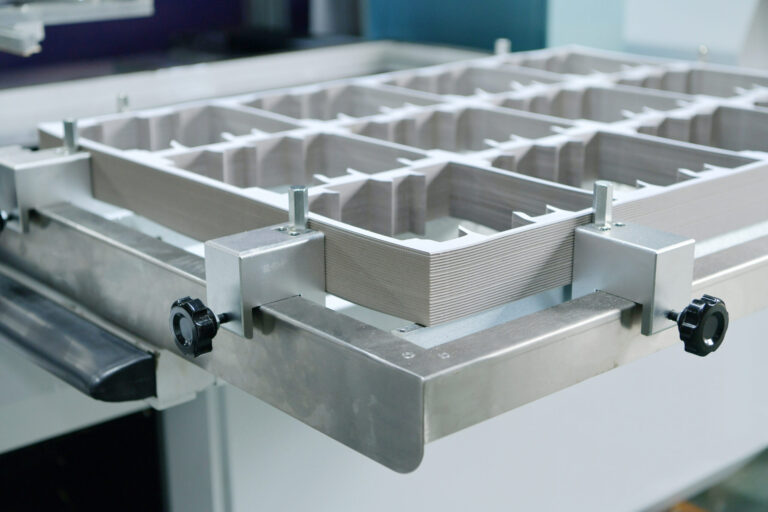
Paper cup factories need a stripping machine because the way orders are placed has changed. Customized orders are now smaller, more varied, and more frequent, making manual or pneumatic stripping after die-cutting inefficient and unstable. An automatic stripping machine removes waste cleanly and consistently, allowing paper cup making machines to run without being constrained by labor, MOQ, or messy shop-floor conditions.
From our experience working with paper cup and packaging lines, this shift rarely happens overnight. At first, manual stripping still feels manageable. Then orders start to mix. Designs change more often. Night shifts rely on temporary labor. That is usually when factory owners realize the problem is not speed, but control. The question becomes not “Can it work?” but “Can this workflow stay stable as orders keep changing?”
When Manual Stripping Becomes a Hidden Bottleneck
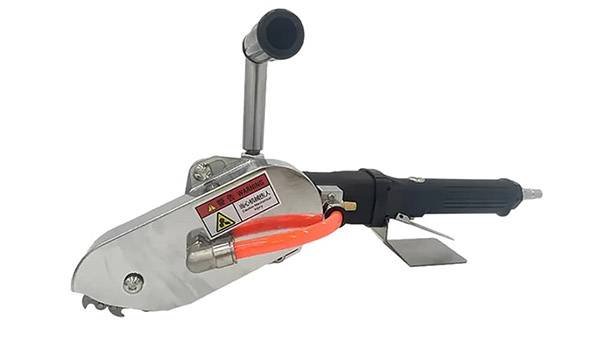
Manual or pneumatic stripping works best when products are simple and orders are stable. Paper cup production used to fit this model well.
Today, many factories run multiple designs in the same week, sometimes in the same day. Each change adds setup time and increases the chance of missed waste, damaged cup bodies, or uneven stacks. Operators slow down to stay careful. Supervisors add more checks. Output drops without anyone touching the die-cutting speed.
The bottleneck is not the die-cutter. It is what happens after it.

Order Diversity Changes the Role of MOQ
For paper cup factories, MOQ is not just a sales decision. It is a production protection mechanism.
When stripping depends on labor, low MOQ orders quickly become unprofitable. The same setup effort is required, but output is smaller and harder to control. This is why many factories keep MOQ high, even when the market asks for flexibility.
A stripping machine changes this balance. By standardizing waste removal, it reduces the hidden cost of small orders. This does not force you to accept every low-quantity order, but it gives you the option to do so without disrupting the line.

Hygiene and Shop-Floor Discipline Matter More Than Before
Paper cups are food-contact products. Customers notice how they are made.
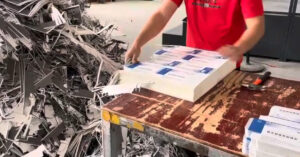
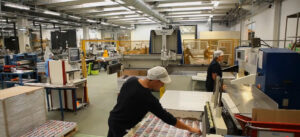
Manual stripping often means air guns, scattered waste, and operators moving around finished products. Even if the cups are technically clean, the process looks uncontrolled. This affects customer audits and brand trust.
An automatic stripping process keeps waste removal enclosed and predictable. Finished cup bodies move forward cleanly, without manual rework. For many factories, this is not about passing standards, but about presenting a professional, disciplined production environment.
Releasing the Real Efficiency of the Cup Making Line
Many factory owners try to increase output by adjusting the paper cup making machine. But the forming machine can only run as smoothly as the material it receives.
When waste stripping is slow or inconsistent, cup bodies arrive in batches, not flows. Operators wait, stacks pile up, and minor defects increase. The forming machine stops and starts more often than it should.
By stabilizing stripping, you stabilize feeding. The benefit shows up not as higher peak speed, but as fewer interruptions and more predictable daily output.
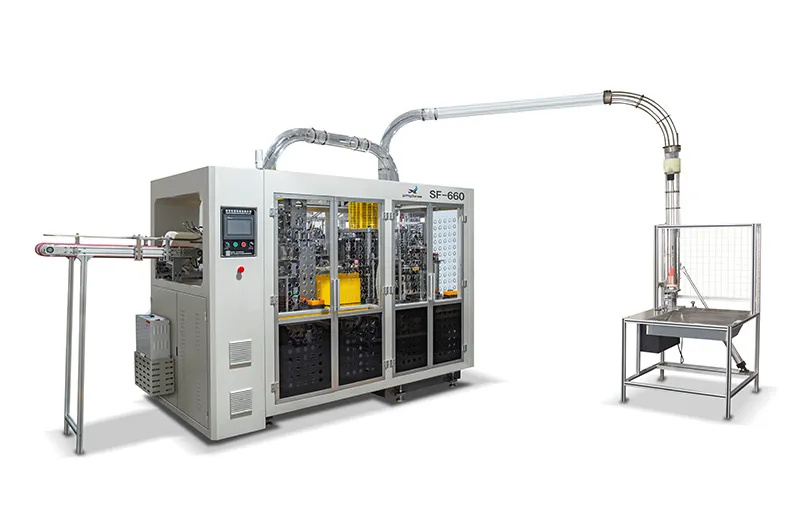
A Process Tool, Not a Capacity Upgrade
A stripping machine should not be viewed as a capacity upgrade. It is a process control tool.
Not every paper cup factory needs one today. But factories moving toward customized, short-run, and hygiene-sensitive orders will eventually feel the limits of manual stripping. The decision point is not machine speed. It is how much uncertainty you are willing to accept in labor, cleanliness, and order flexibility.
Conclusion: Decide Based on Order Reality, Not Equipment Labels
Paper cup factories do not add stripping machines because they want more machines on the floor. They add them because the market no longer rewards rigid workflows.
If your orders are becoming smaller, more varied, and harder to schedule, waste stripping is no longer a side task. It becomes part of your core process. The right decision is the one that keeps your line clean, stable, and flexible as customer demands continue to shift.
That is the logic most factories arrive at, sooner or later.