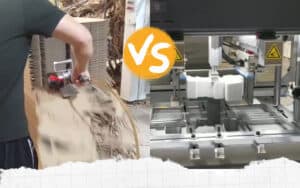












In many packaging plants, waste removal after die cutting is one of the most tiring and unstable operations.
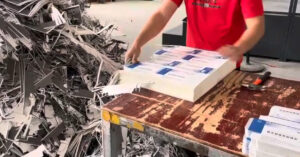
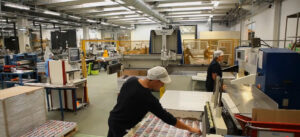
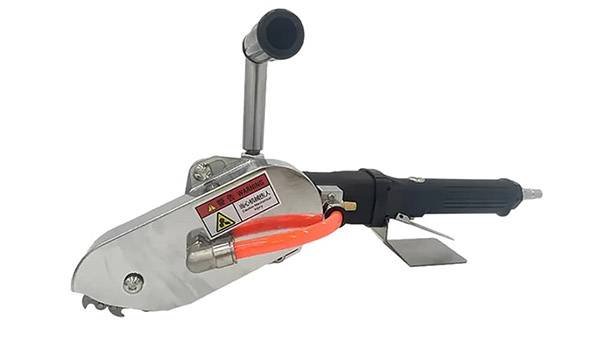
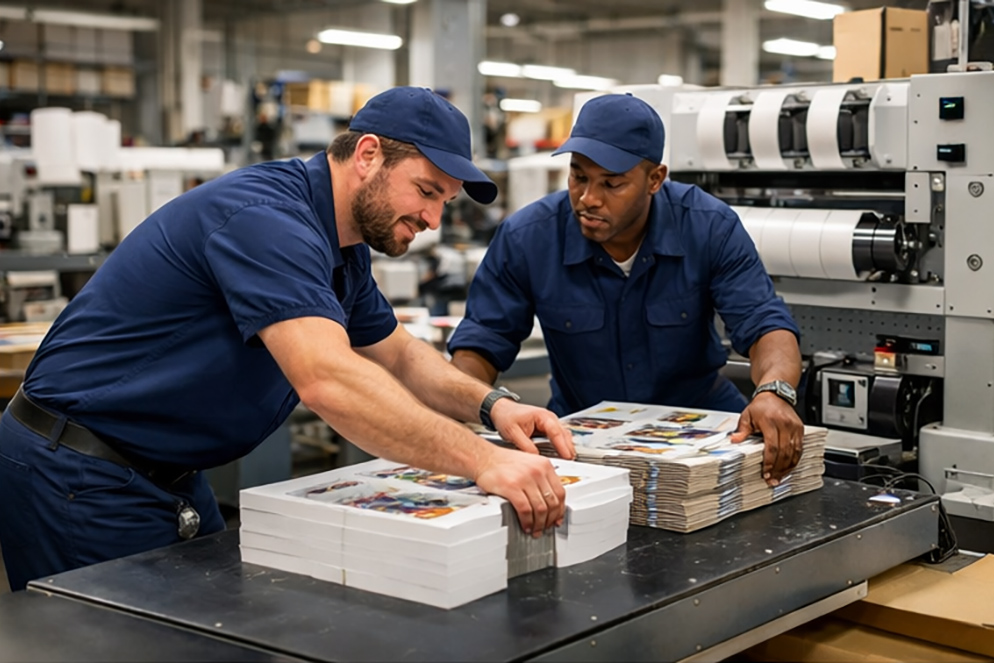
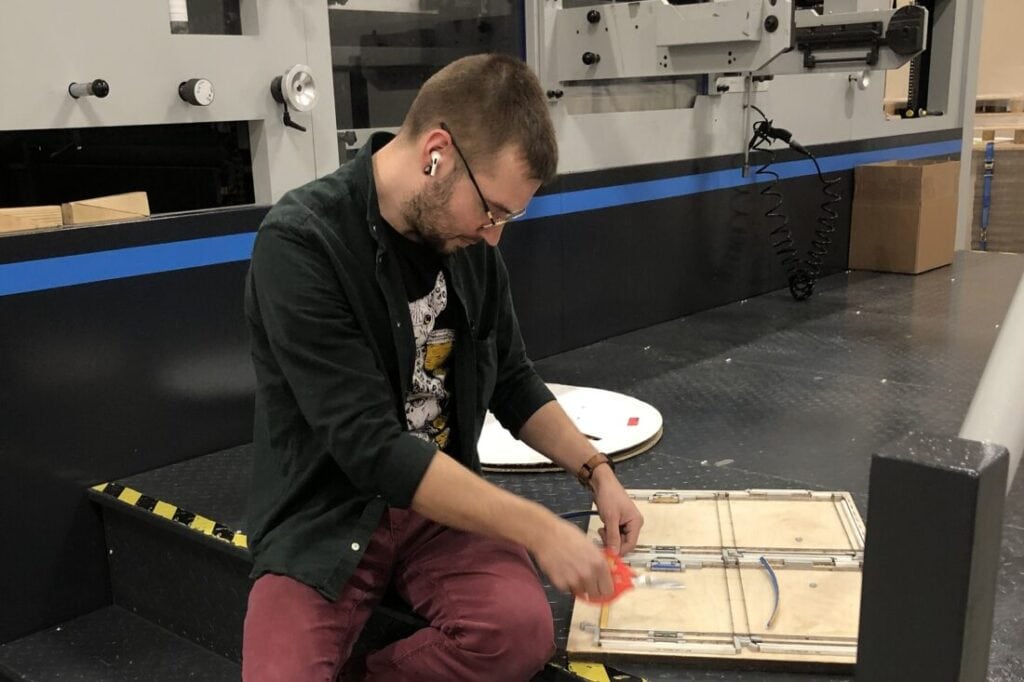
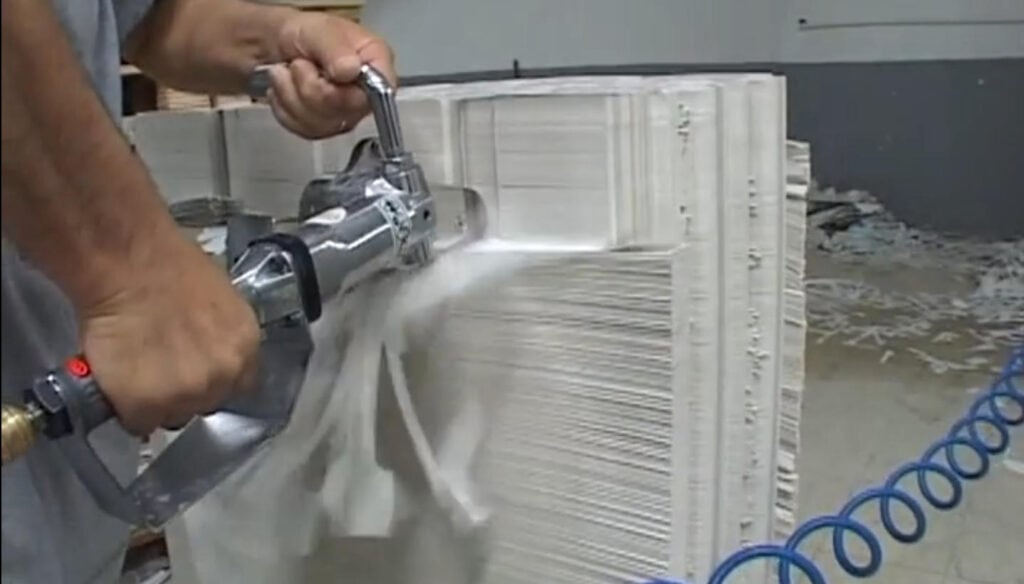
Some factories still rely on manual stripping, while others use semi-automatic pneumatic systems, but the result is often the same: waste scattered on the floor, messy workshops, and inconsistent output. For thick boards or complex layouts, two workers may need to coordinate just to finish one sheet.
Once job types increase, stripping quality drops fast. This affects folder gluing, causes rework, and delays delivery. When waste removal depends on people, the whole post-press line depends on a few experienced hands.
If they leave or shifts change, problems show up immediately.
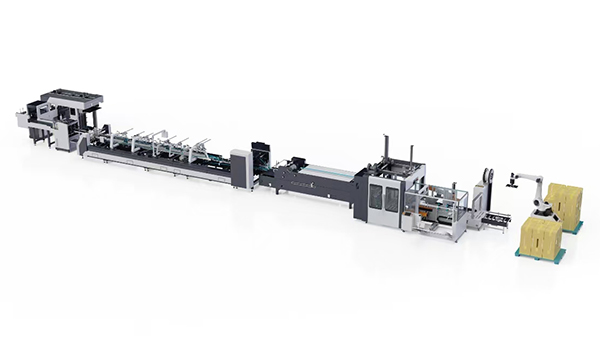
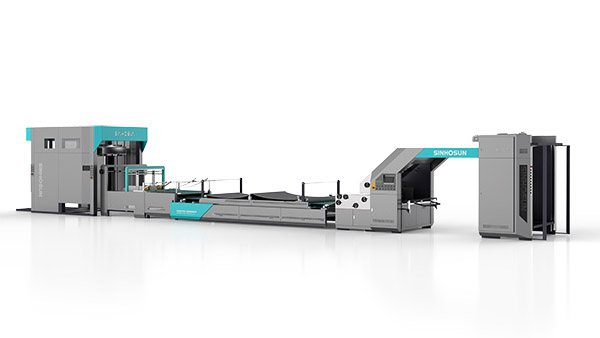
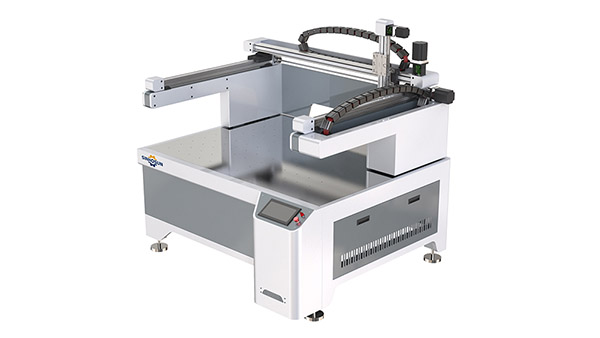
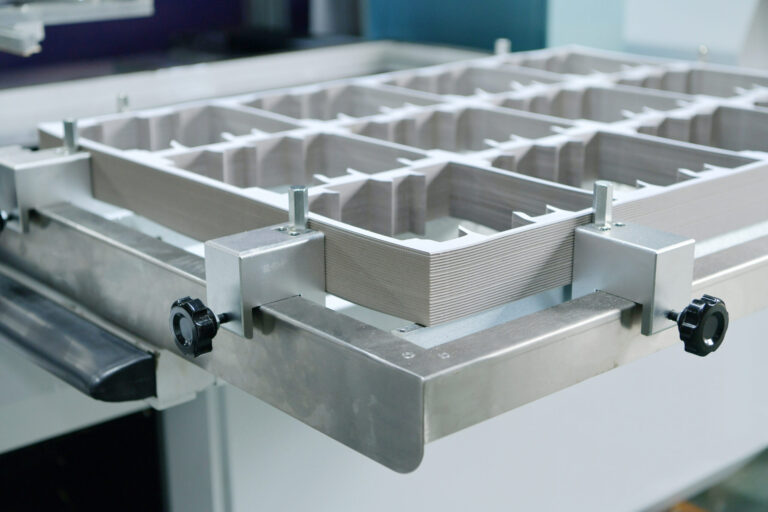
To truly reduce manpower in waste removal, the key is to stabilize the process, not just replace labor. By designing proper break points at die cutting and moving waste removal into a controlled blanking stage, waste is separated before folder gluing. With mature blanking machines, stripping quality no longer changes with workers or order mix, even for small batches and frequent job changes.
I learned this the hard way. In early projects, we tried to “optimize labor” by adjusting staffing or adding pneumatic tools. It looked cheaper at first. But the same issues came back every busy season.
Only after testing different layouts and seeing how unstable stripping directly disrupted gluing did it become clear: the problem was not speed or effort. It was that waste removal happened too late and depended too much on people.
Once blanking was fixed as a standard step, the entire workflow became calmer.
Why Adding More Workers to Waste Removal Fails Over Time
Manual waste stripping is heavy, repetitive work. Output depends on strength, focus, and experience. Fatigue causes mistakes. New workers need long training. Even skilled workers struggle when board thickness or structure changes.
From a management view, this creates hidden costs:
- Unstable daily output
- Higher rework risk
- Constant scheduling pressure
- Quality that changes by shift
No matter how many people you add, the process itself stays fragile.
The Real Question Is Not Automation, but Where Waste Removal Happens
Waste can be removed:
- Right after die cutting
- Before folder gluing
- During folder gluing
Only the first option is stable.
If waste reaches the gluer, every downstream step pays the price. Feeding becomes uneven. Jams increase. Glue accuracy drops. Operators start compensating manually. This is why many gluing problems actually start one process earlier.
Blanking fixes waste removal at the correct position in the workflow.
When Blanking Becomes the Final and Stable Solution
Blanking works best when:
- Job structures repeat in logic, even if quantities are small
- Cardboard layouts include clear break points
- You want consistent output across shifts
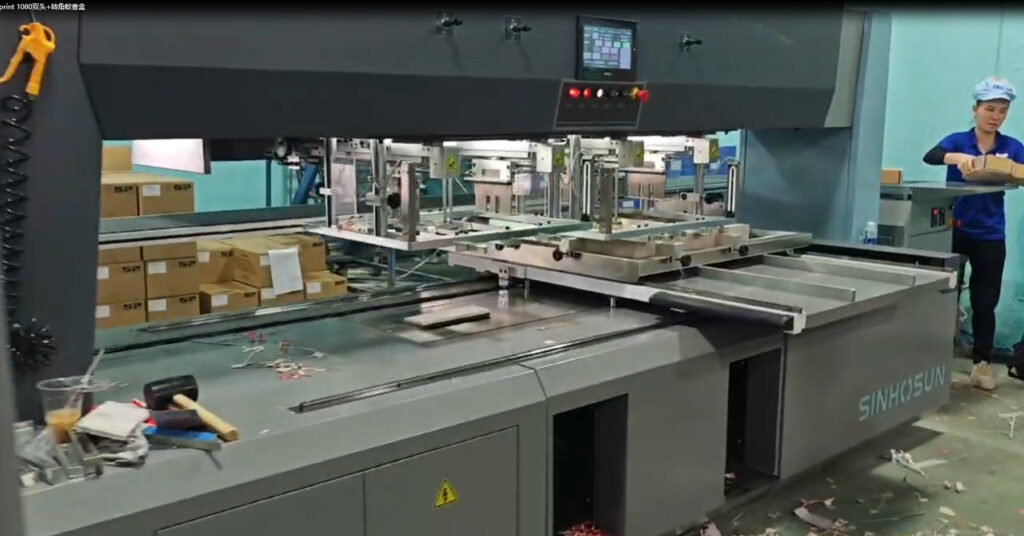
Modern blanking machines are no longer limited to long runs. With fast setup and flexible tooling, they can handle mixed orders without losing rhythm.
At this stage, manpower reduction is not forced. It happens naturally because the process no longer needs constant human correction.
Why Blanking Machine Is More Stable Than Semi-Automatic Stripping
Semi-automatic systems still rely on workers to judge timing and force. When jobs change, judgment changes.
Blanking machines run on fixed motion and pressure. Once set correctly, results stay the same:
- Same separation quality
- Same sheet flow
- Same output rate
This is why blanking is not just faster. It is calmer.
Deciding If Blanking Fits Your Factory
You should consider blanking if:
- Waste stripping affects gluing stability
- You struggle with skilled labor availability and Manpower Cost and Stability
- Workshop cleanliness impacts efficiency
- Order mix creates daily variation
If your bottleneck moves after blanking, that is a healthy sign. It means the process is finally under control.
Many packaging plants working with SINHOSUN reached this stage not by chasing automation, but by fixing workflow logic first.
Conclusion
Reducing manpower in waste removal is not about cutting heads. It is about removing uncertainty. When waste stripping depends on people, the line stays fragile. When it becomes a defined blanking process, stability comes first, and labor reduction follows naturally.
From a factory point of view, blanking is not an upgrade for show. It is the point where post-press finally stops fighting itself.
If you fix this step, the rest of the line breathes easier.