Skip to content

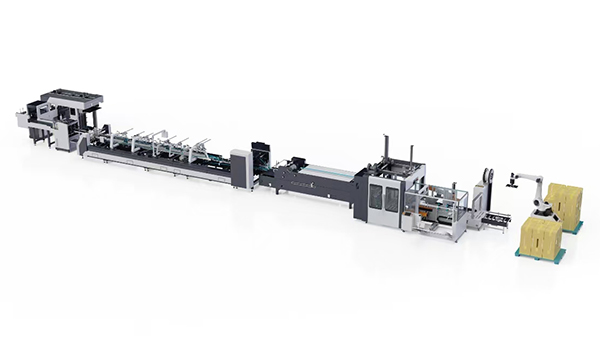
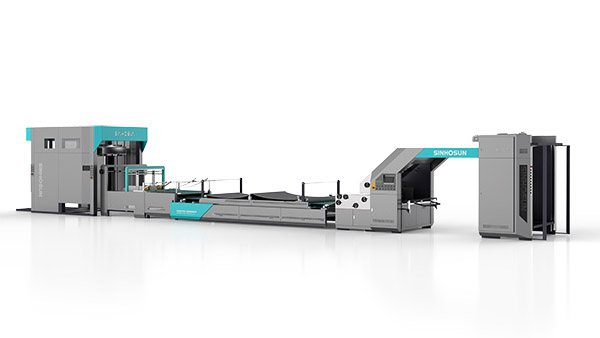

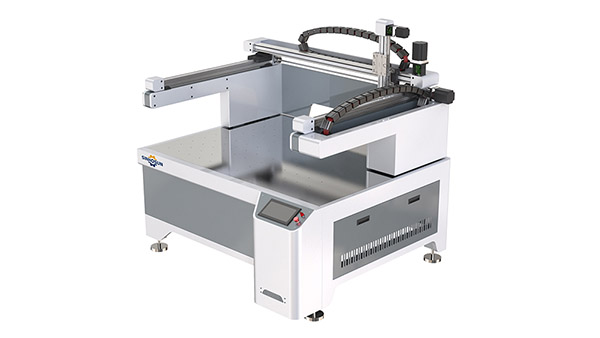









The real problem is not whether a blanking machine is a good machine in general, but whether current manual blank separation can still support the factory’s daily die-cut output without becoming a bottleneck.
Once separation becomes slow or inconsistent, the post-press line loses balance, labor demand rises, and the factory starts carrying avoidable quality and delivery risk on regular packaging jobs.
A packaging factory should invest in a blanking machine when manual separation starts causing speed loss, labor pressure, unstable quality, or delivery risk in regular die-cut packaging production.
In practice, the decision is usually triggered by repeated workflow symptoms, not by a single machine feature or a one-time order spike.
That means buyers should first identify the production signals that show manual separation is no longer the right default process.
How should a factory calculate blanking machine ROI?
ROI should start with the real cost of manual separation, not just the machine price.
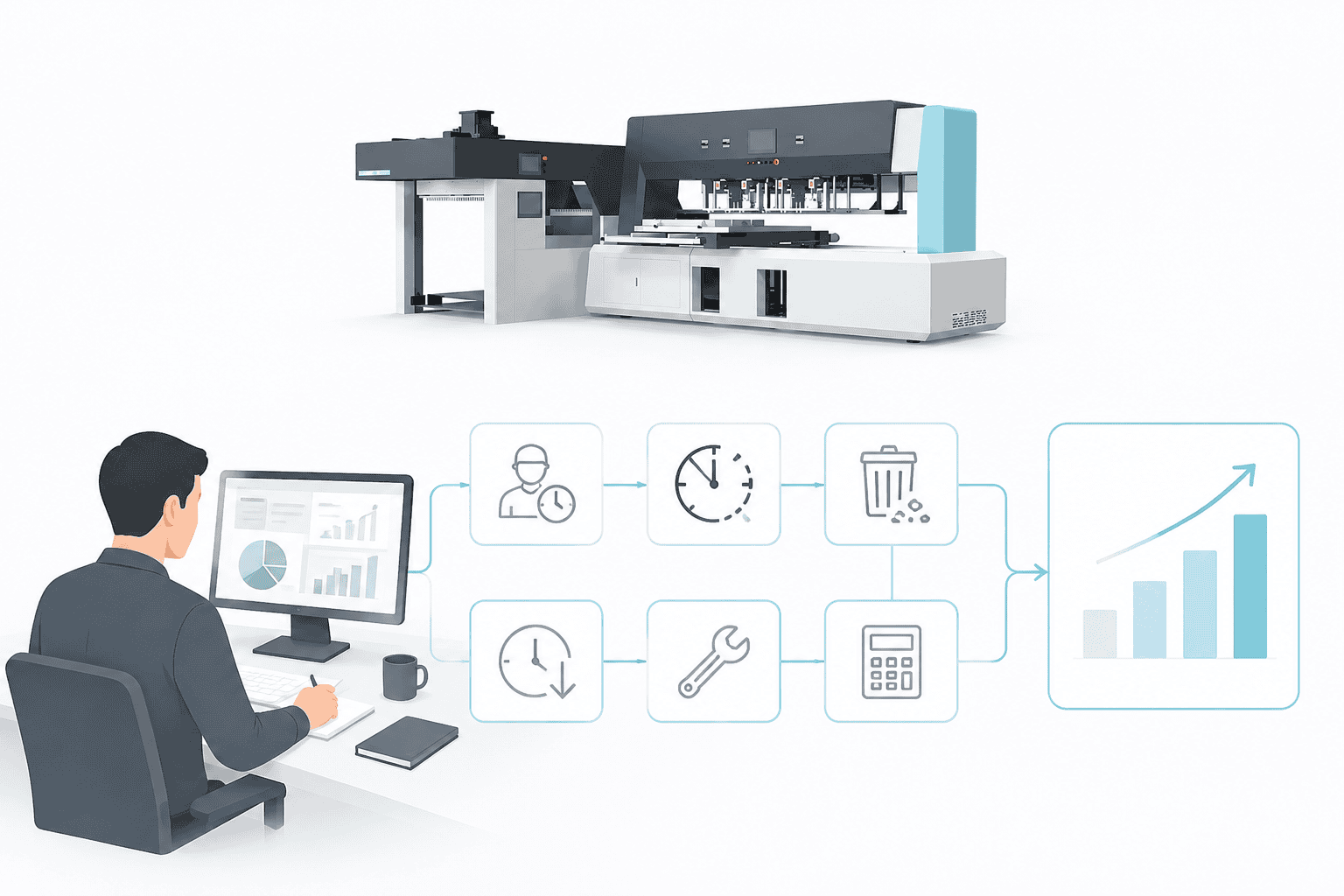
A buyer needs to count labor hours, overtime, rework, scrap risk, and the cost of missed delivery windows.
If the current process needs many operators to keep one line moving, the hidden cost is usually larger than it looks on paper.
The simplest way to judge ROI is to compare yearly manual separation cost with yearly machine ownership cost.
Ownership cost should include purchase price, installation, maintenance, training, and expected downtime.
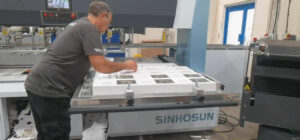
At SINHOSUN, we usually see stronger payback when a factory runs repeat die-cut jobs and keeps the blank separation step in daily use instead of treating it as a rare special process.
What blanking efficiency gains should buyers expect?
Buyers should expect more than just faster separation.
A blanking machine can also make the post-press flow more stable, reduce operator dependence, and improve consistency between shifts.
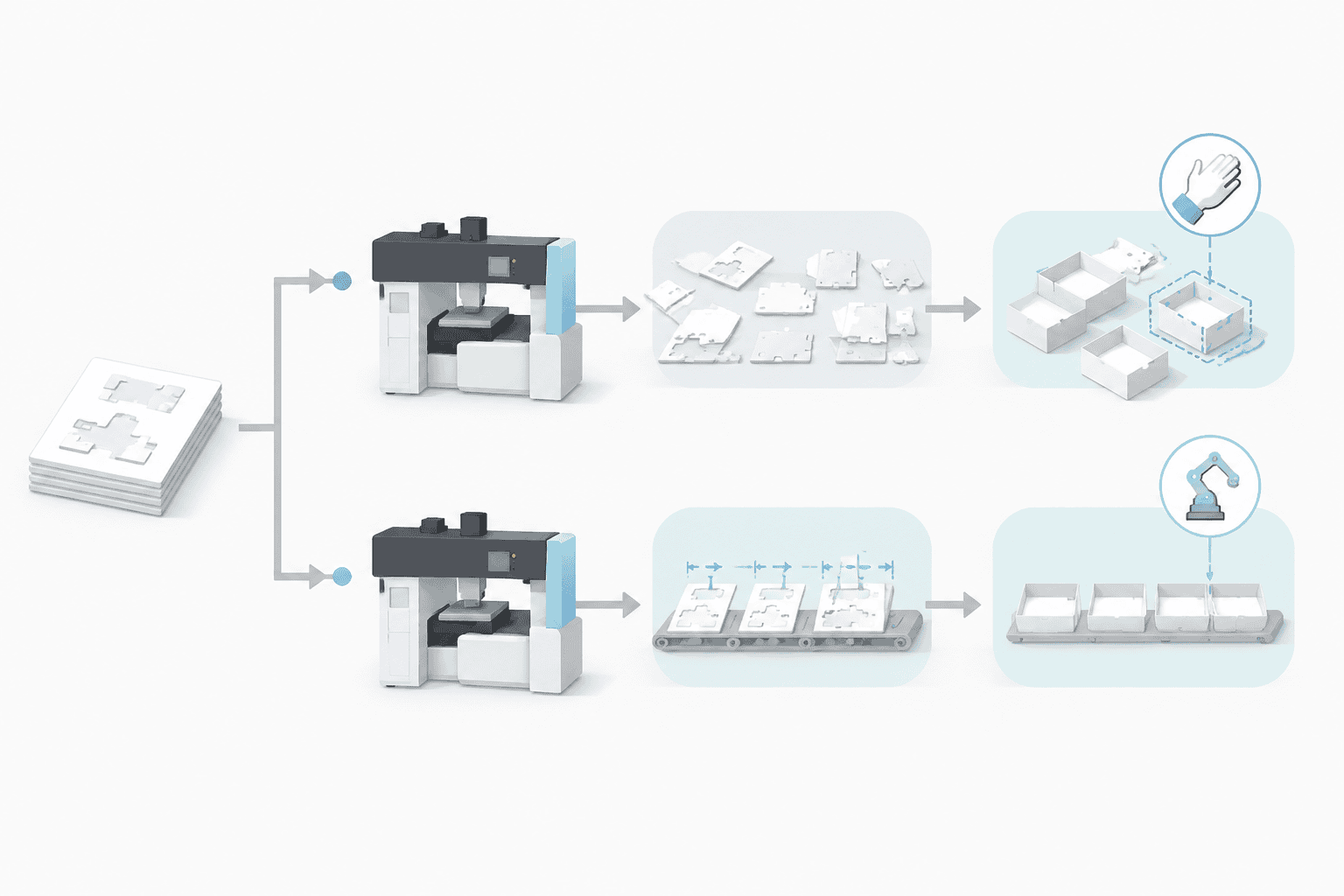
In a manual process, speed often changes with worker skill, fatigue, and job complexity.
In a machine process, the main gain is not only cycle time. It is also better process control.
That matters when the factory must keep a steady rhythm from die-cutting to separation to packing.
For many packaging plants, the most important gain is not maximum speed. It is predictable output.
Predictable output is what helps production planning, labor planning, and shipping planning stay aligned.
How do order structure and volume affect the investment decision?
Order structure often matters more than a single monthly volume number.
If the factory handles many repeat jobs, similar sheet sizes, or steady blank separation work, automation is easier to justify.
If orders are extremely irregular, with frequent setup changes and low repeat rate, the machine may sit idle too often.
That does not mean small factories should never buy one.
It means the buyer should check how often the machine will actually run in real production.
Volume should also be viewed together with labor balance.
A factory with moderate volume but chronic labor shortage may reach the investment point sooner than a larger factory with stable staffing.
When do local labor costs make blanking automation worthwhile?
Local labor cost matters when manual separation takes several people and the work is hard to keep stable.
If the factory must raise wages, pay overtime, or keep adding temporary workers just to hold post-press output, automation becomes more attractive.
The trigger is not only salary level.
It is the combination of cost, turnover, training time, and quality variation.
When labor is cheap but unstable, the factory may still lose money through errors, delays, and repeated retraining.
When labor is expensive and hard to hire, the case for a blanking machine becomes much stronger.
This is why many packaging buyers evaluate blanking equipment together with workforce planning, not as a standalone purchase.
What should buyers verify before comparing offline blanking machines?
Before comparing machines, buyers should confirm the real job scope.
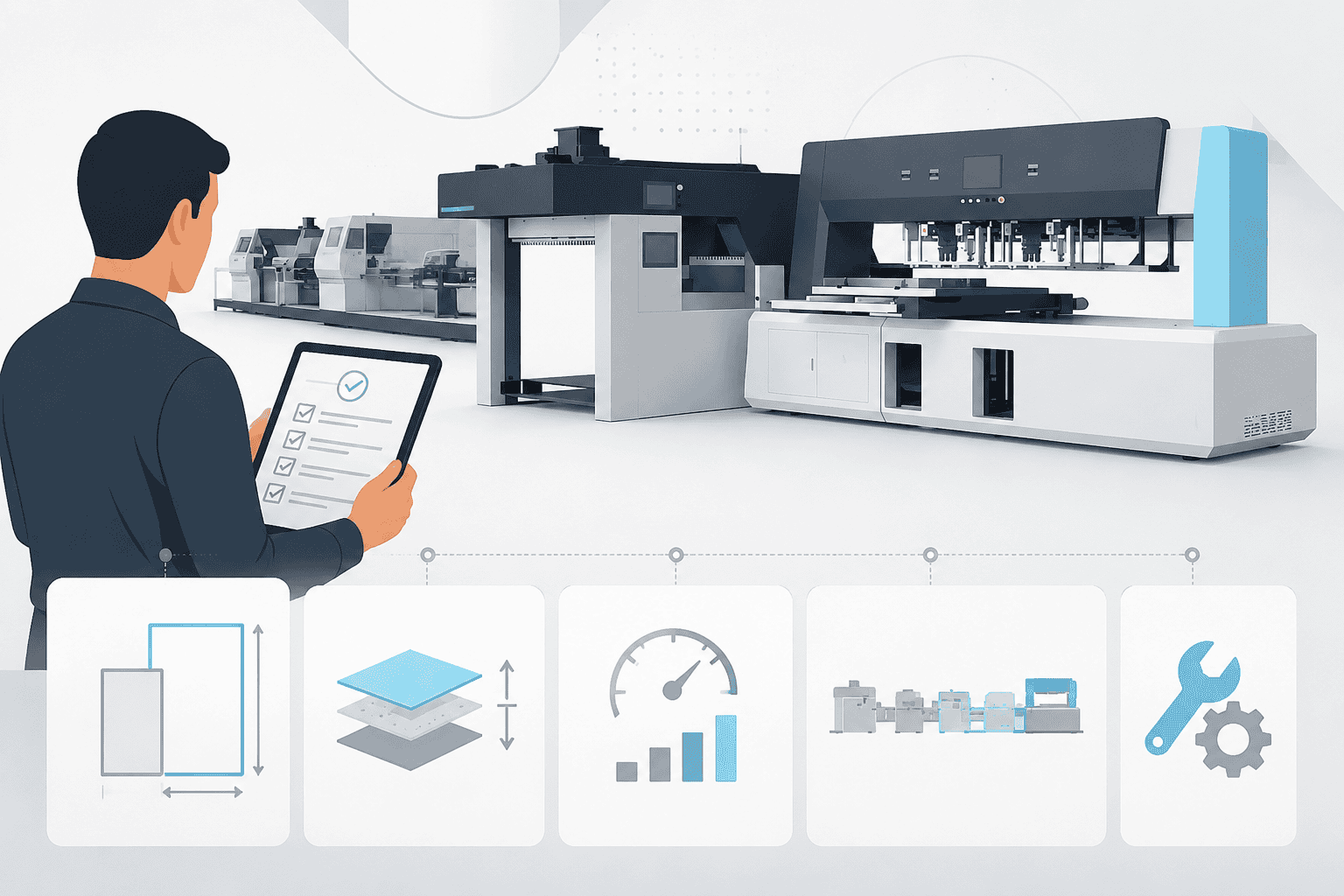
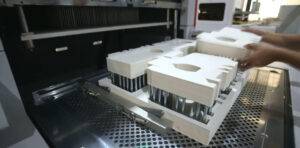
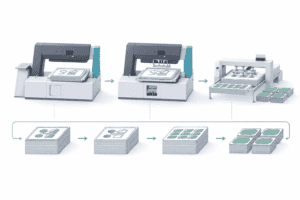
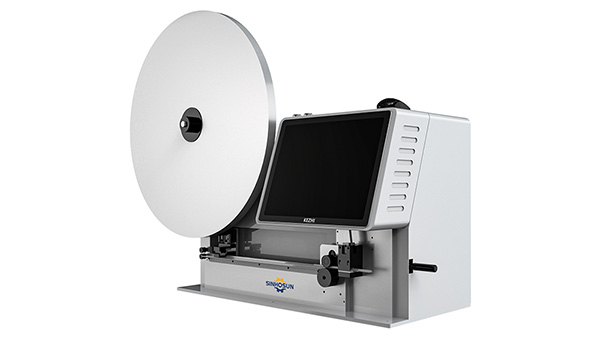
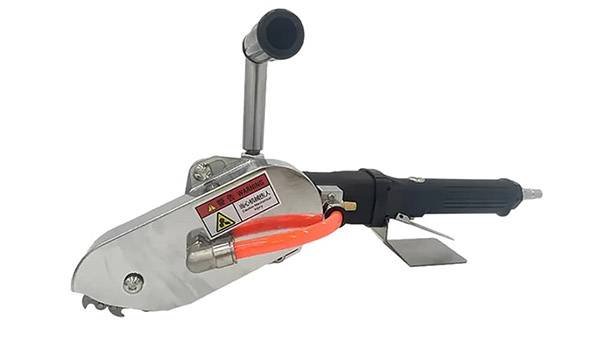
Blanking machines are for suitable post-press blank separation work on printed packaging products such as paperboard, labels, folding cartons, and similar die-cut sheets.
They are not a general answer for every waste-removal problem, so the first step is to match the machine to the actual product and process.
Buyers should verify sheet size range, material thickness, die-cut style, output target, and the level of automation needed after separation.
They should also check whether the machine fits the current line layout, operator skill level, and maintenance capacity.
A machine that looks good in a brochure can still fail in a real factory if loading, unloading, and transfer flow are not well matched.
This is where practical factory experience matters.
At SINHOSUN, the best equipment decisions usually come from a clear look at the full post-press chain, not from one isolated machine spec.
Conclusion
A packaging factory should invest in a blanking machine when manual separation can no longer support stable daily output.
The clearest signals are slower flow, rising labor pressure, unstable quality, and growing delivery risk.
If the factory sees these symptoms often, the next step is not to ask whether automation is useful in theory.
The better question is whether the current process is already costing more than the machine would.
That is why buyers should review ROI, order structure, labor conditions, and real job scope before buying.
When those parts line up, blanking automation becomes a practical production decision, not just an equipment upgrade.