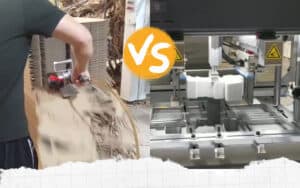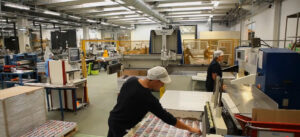






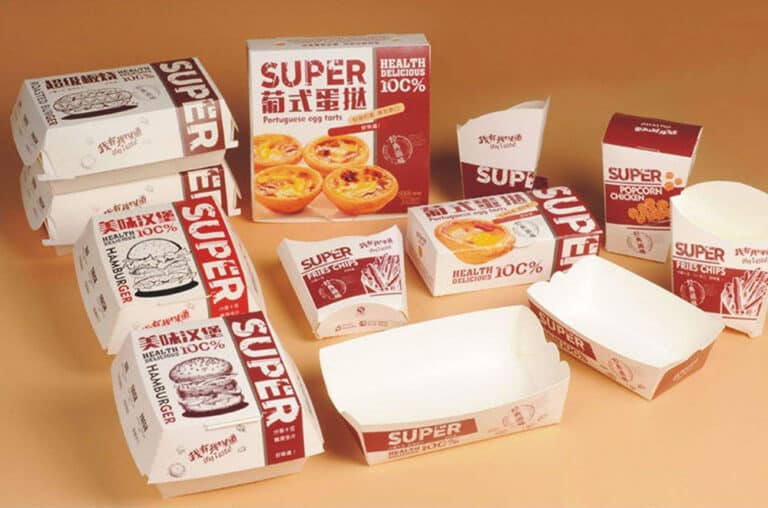





After die cutting, finished products often stay connected to the surrounding waste. When operators separate them by hand, speed drops and edge damage becomes common. As volumes grow or box structures become more complex, this step quietly turns into a bottleneck that affects delivery time and quality stability.
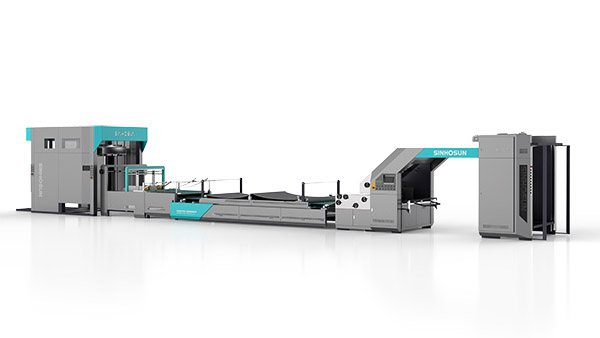
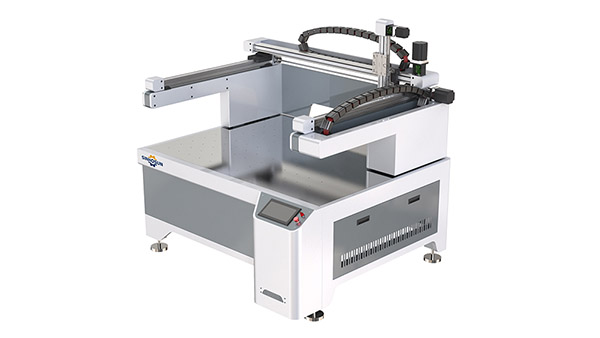
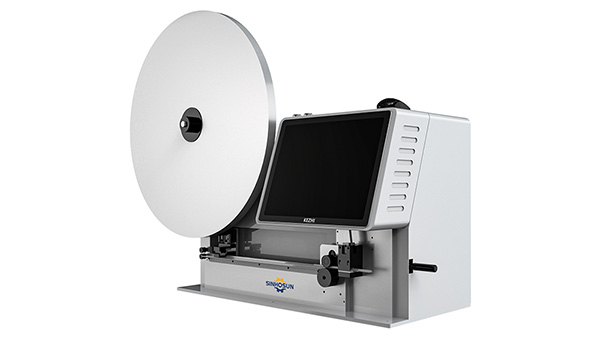
A separating machine is used after die cutting to automatically separate finished products from the connected waste.
It applies force only to the product area so the products are released as a whole, while the waste remains behind.
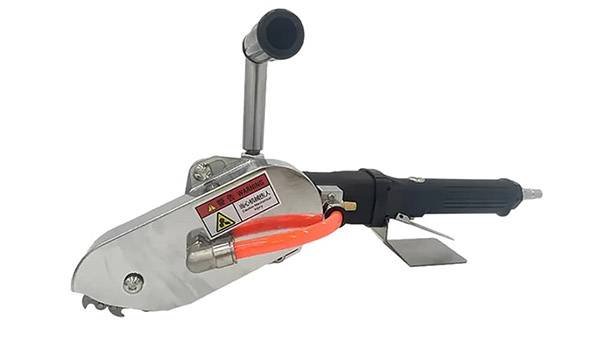
In daily production, this type of equipment is also commonly called a blanking machine or a separating machine.
As a manufacturer, we often meet customers who come to us looking for this type of machine, but are not fully sure what problem it really solves or how it works. The following sections explain this equipment from a practical and technical point of view, focusing on how it fits into real die cutting workflows.
What Problem Does a Separating Machine Solve, and Why Do Factories Look for One?
In most die cutting jobs, cutting accuracy is not the issue. The issue appears after cutting is finished.
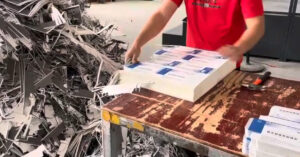
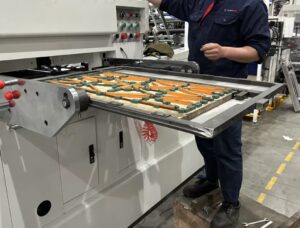
The sheet comes out flat. Products are fully shaped, but still linked to the waste by small bridges. At low volume, operators can break them out by hand. Many factories start this way.
Problems begin when:
- Order quantity increases
- Product shapes become irregular
- Paperboard becomes thinner
- Delivery time gets tighter
Manual separating becomes slow and inconsistent. Operators pull at different angles. Some edges tear. Some products bend. Fatigue increases, and quality becomes harder to control.
This is usually the point where factories start asking about separating or blanking machines. Not because they want automation for its own sake, but because manual work no longer scales.

How a Separating Machine (Blanking Machine) Works
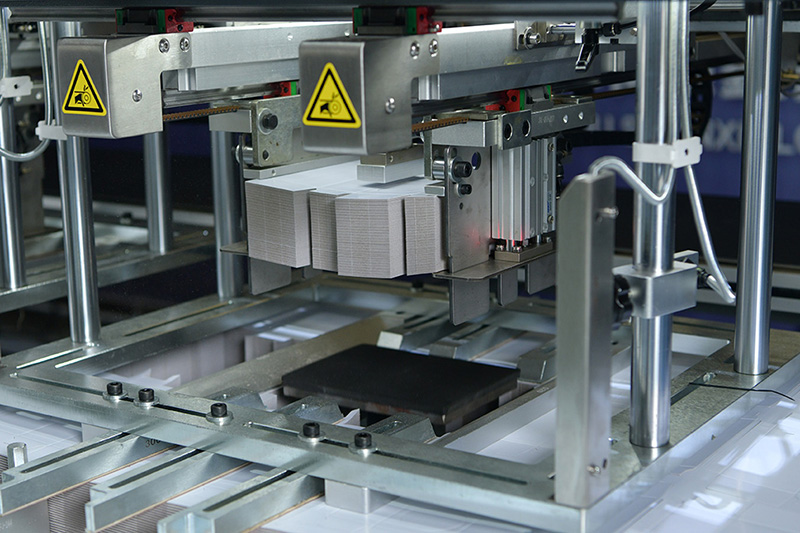
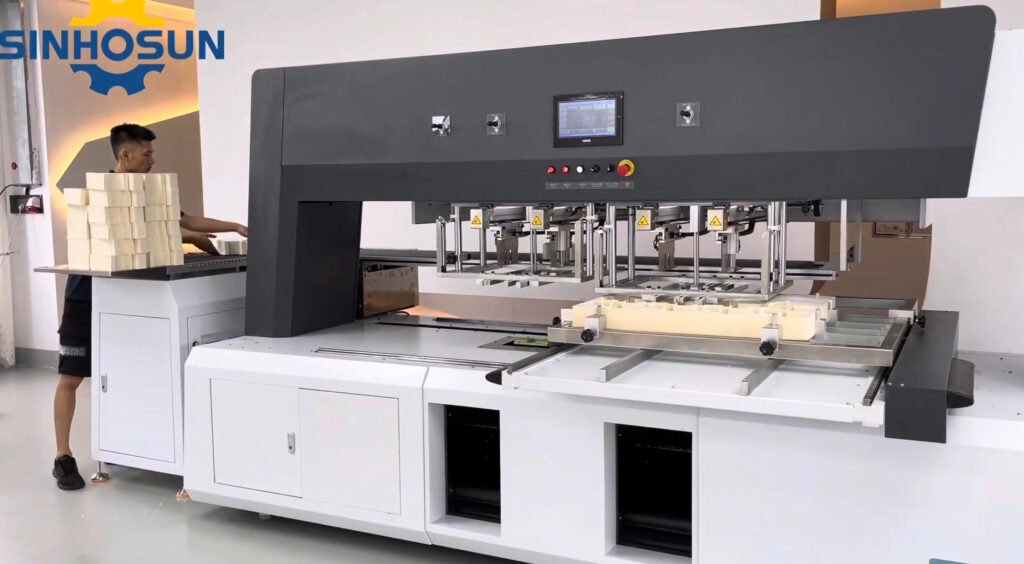
A separating machine, often called a blanking machine, works by creating controlled force difference between the product area and the waste area.
After die cutting:
- The sheet is placed into the blanking station
- The machine applies vertical movement
- Pressure is applied only to the product zones
Because the product area receives direct force, it is pushed out as a complete piece. The waste area does not receive the same force and stays in position, or is removed separately.
In many traditional systems, this is achieved by:
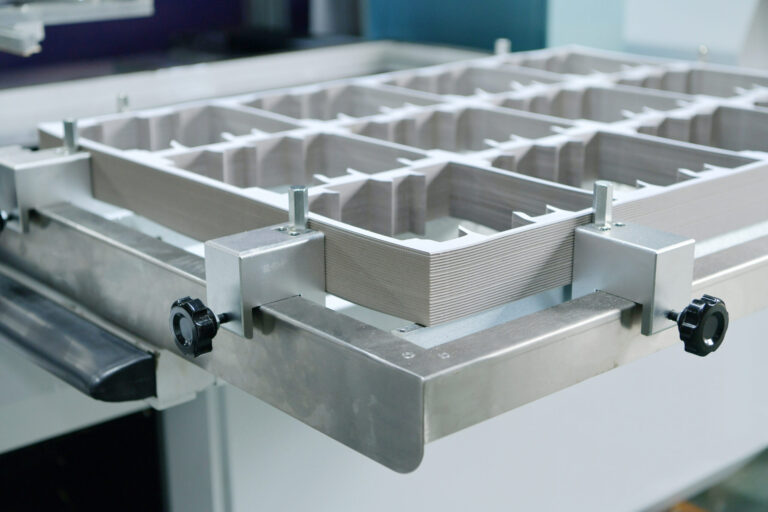
- Dedicated separating molds
- Pin or needle structures that push products out
From a manufacturing point of view, these methods work, but they also introduce setup time, wear parts, and maintenance concerns.
This is why SINHOSUN designs blanking machines that do not rely on separating molds or pin-based structures. By using a different pressure and motion design, the machine simplifies setup, reduces tool dependency, and improves long-term stability in daily production.
Main Advantages of Using a Blanking Machine
From the factory floor perspective, the value of a blanking machine is not theoretical. It shows up in daily operation.
Common advantages include:
- More consistent separation results
- Cleaner product edges
- Lower dependence on skilled manual labor
- Easier rhythm matching with downstream processes
- Reduced operator fatigue
Instead of judging the machine by speed alone, many users notice that production becomes more predictable. This stability is often more important than peak output.
Which Products Are Best Suited for a Blanking Machine?
A blanking machine is not a universal solution. It works best when the product structure and material match its working logic.
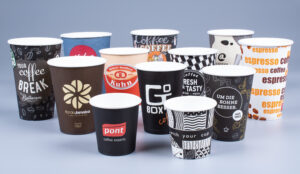
Paperboard (card board) products
These are the most suitable:
- Clear outlines
- Stable material strength
- Clean separation zones
For these products, blanking machines perform reliably and consistently.
Corrugated products
Only some corrugated products are suitable:
- Results depend on flute type
- Board thickness matters
- Box structure plays a big role
Not every corrugated box can or should be processed by a blanking machine. In practice, this decision needs to be made case by case.
Understanding this boundary is important. A blanking machine delivers the best return when applied to the right product type, not when forced into unsuitable jobs.

Conclusion
From a factory standpoint, a separating or blanking machine is not about replacing people. It is about stabilizing a step that manual work can no longer control well.
When product type and structure are suitable, this equipment becomes a practical tool to protect quality, reduce pressure on operators, and keep post-press workflow under control.