Skip to content











After die cutting, separating usable parts from waste is a necessary step before any folding or gluing can happen.
If this step is slow or unstable, the problem does not stay here. It spreads to packing speed, labor cost, and delivery planning.
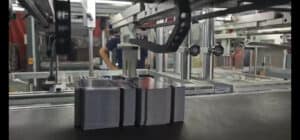
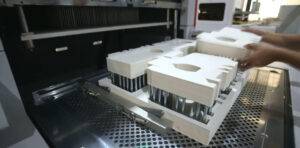
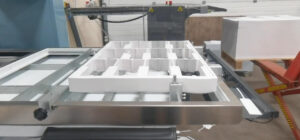
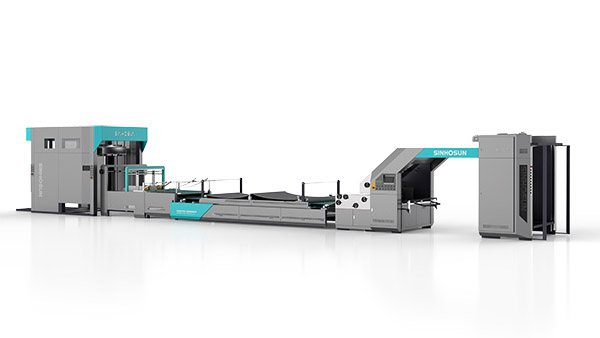
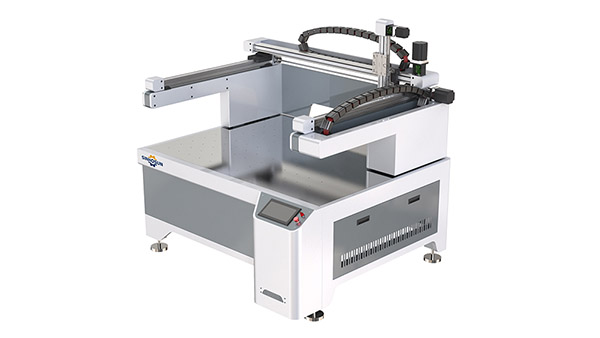
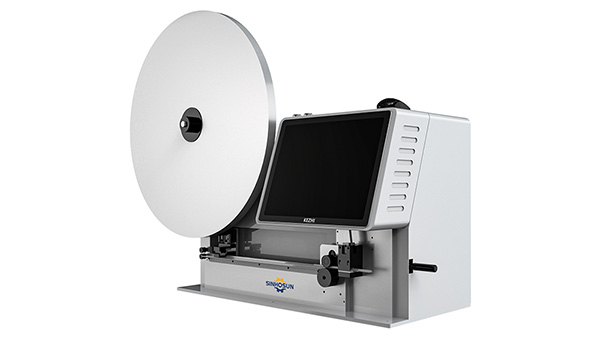
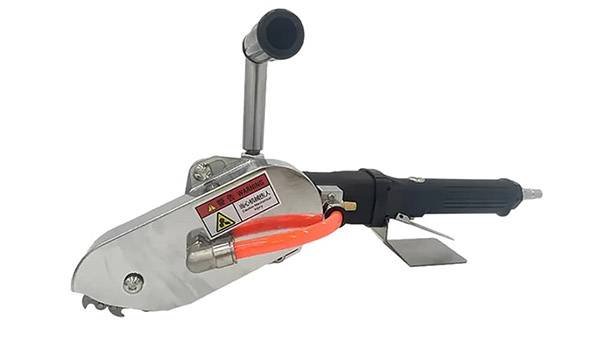
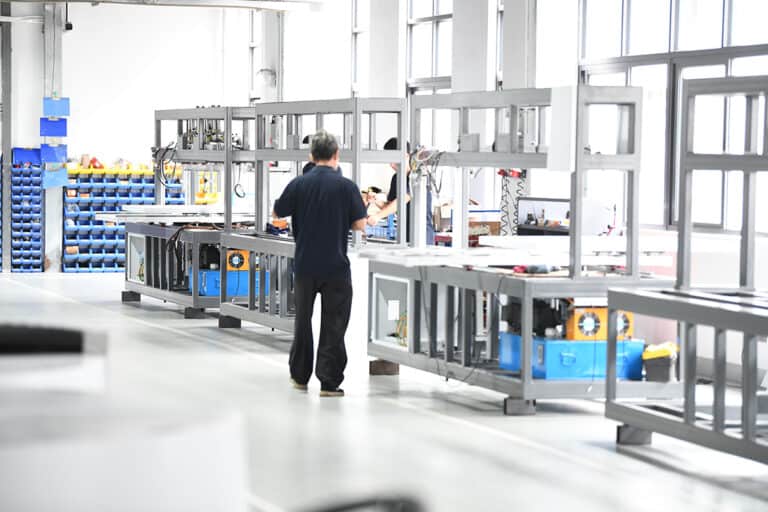
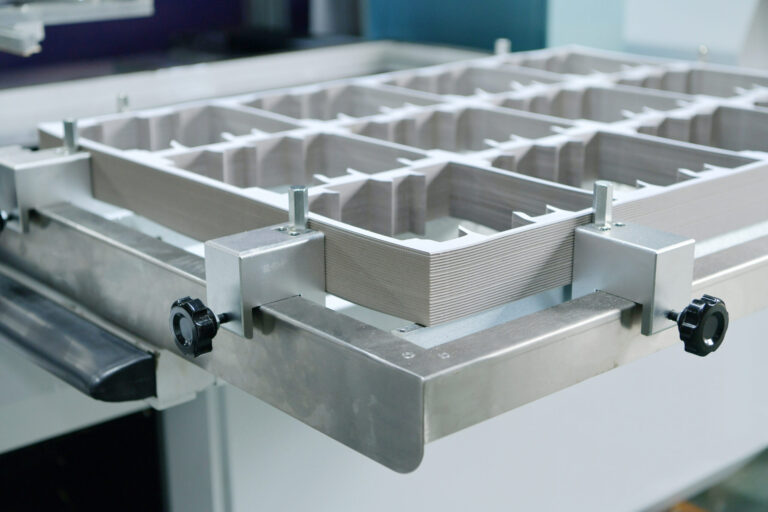
Die-cut parts are separated from waste using stripping blanking machines. For lighter jobs, pneumatic waste strippers can speed up manual stripping, but when job volume, layout complexity, or labor pressure increases, an offline stripping blanking machine becomes the most efficient solution. It automates waste removal without replacing the die cutter and can be configured at different automation levels to match your current production line.
From what I have seen on factory floors, most plants do not jump straight into automation. They move step by step.
The real question is not whether automation works, but when the current method quietly stops matching the workload. That moment is usually clearer than expected.
Pneumatic Waste Stripper: Faster Than Hand Work, but With Clear Limits
A pneumatic waste stripper is often the first upgrade from pure hand stripping.
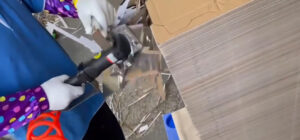
It uses compressed air to push out waste faster, reducing finger fatigue and improving speed on simpler layouts.
For short runs, small boxes, or low nesting density, this tool makes sense.
It is affordable, easy to train, and flexible across different jobs.
But its limits appear when:
- Waste bridges are tight or uneven
- Board thickness changes often
- Job volume increases and consistency matters
At that point, speed still depends heavily on operator skill.
The work is faster than hand stripping, but not stable enough to support higher daily output.

Why an Offline Stripping Blanking Machine Is Often a Better Upgrade Than a New Die Cutter
When pneumatic tools no longer keep up, many factories assume the next step is a new die cutter with built-in stripping.
In practice, that is not always the smartest move.
An offline stripping blanking machine removes waste after die cutting, without changing your existing die cutter.
This avoids:
- High investment cost
- Long installation downtime
- Workflow disruption in the die-cutting section
Instead, you add a dedicated station that focuses only on clean separation.
In many cases, this delivers a bigger efficiency gain than upgrading the die cutter itself.
From a risk point of view, this path is easier to control.
You improve the bottleneck without touching the upstream process that is already stable.

Choosing the Right Automation Level: From Assisted Blanking to Full Line Connection
Not every factory needs the same level of automation.
This is where many decisions go wrong.
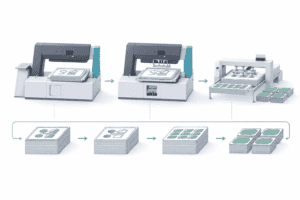
Offline blanking machines come in different configurations:
- Assisted models that still use a small amount of manual handling
- Semi-automatic versions with automatic feeding and stacking
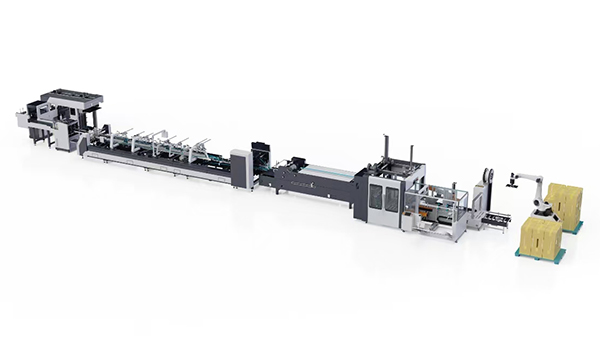
- High-automation systems that can connect directly to a folder gluer, with counted stacking or even carton packing
If your labor is stable and volumes are mixed, a lower automation level is often enough.
If labor pressure is high and jobs repeat, higher automation pays back quickly.
The key is not buying the most advanced machine.
It is choosing one that matches how your line actually runs today, and still leaves room for tomorrow.

Conclusion
Separating die-cut parts from waste is not a technical showpiece.
It is a workflow decision.
Pneumatic waste strippers are useful tools, and they solve real problems at the right stage.
But when they stop matching your production rhythm, an offline stripping blanking machine gives you a cleaner, lower-risk upgrade path.
You do not need to replace what already works.
You only need to strengthen the step that is holding the rest of the line back.